Feed library

The reading room

Den of Geek

10 articles/Updated Visit source
Atom feed Refresh

This preview uses the same feed and article caches as your subscriptions.

01VisionQuest Finally Introduces the Very First Marvel Hero - Den of Geek
Read on denofgeek.com

VisionQuest.jpg?fit=1200%2C675


This article contains spoilers for VisionQuest season 1 episode 7.

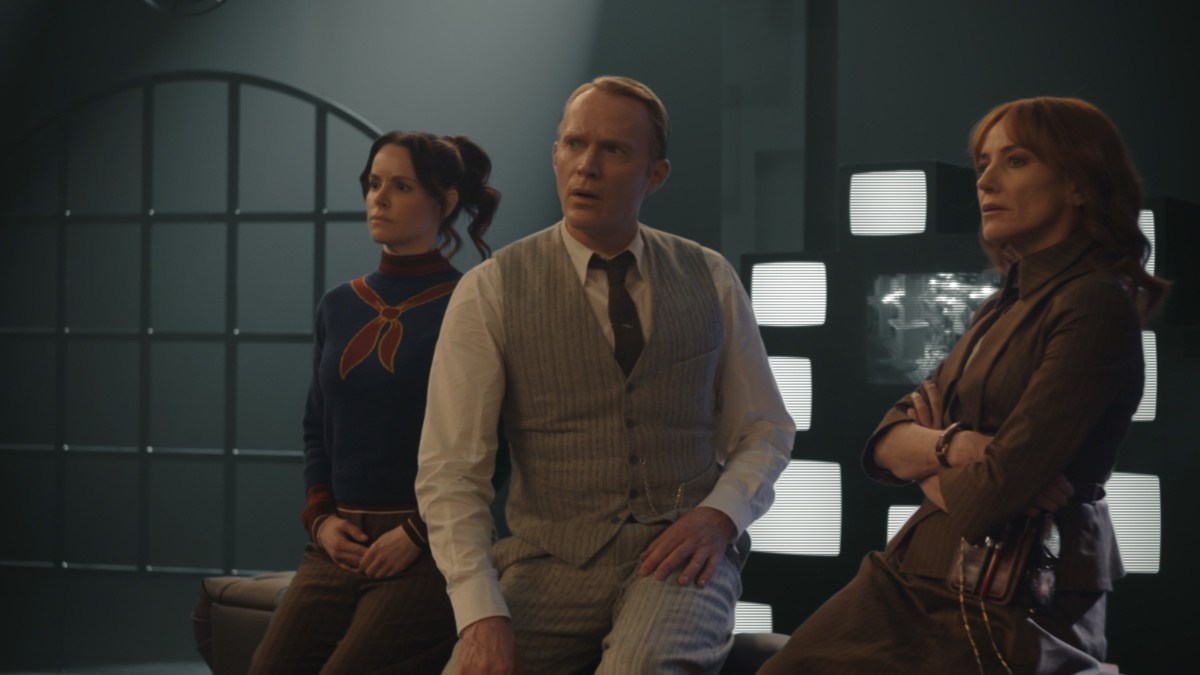
In the MCU, the first superhero is effectively Iron Man. Sure, Nick Fury tells him he isn’t the first at the end of the 2008 movie, and we know that Captain Marvel, the Eternals, and others predate him. But for all intents and purposes, it starts with Tony Stark. In Marvel Comics, however, it starts with the Human Torch, a flaming android who appears on the cover of 1939’s Marvel Comics #1.

Now the MCU has finally caught up, with the Human Torch officially debuting in the latest episode of VisionQuest, “Immolation.” But as anyone familiar with the Fantastic Four has already realized, the history of the Human Torch is complicated, and his insertion into the VisionQuest storyline only makes things more so.

Created by Carl Burgos, the Human Torch was a mainstay of Golden Age comics published by Timely, the company that would eventually become Marvel. One of the company’s first breakout stars, the Human Torch not only moved quickly into his own (admittedly, short-lived) solo series in 1940, but he regularly appeared in other anthologies and team-up books, including Marvel Mystery Comics, All Winners, Young Allies, and Young Men. Like most Golden Age heroes, he initially fought gangsters and racketeers before shifting to Nazis and other Axis soldiers, battling them at home and abroad.

It was in that latter capacity that the Human Torch helped form Marvel’s first superhero team, the All-Winners Squad, later renamed the Invaders. Alongside his teen sidekick Toro, a circus fire-eater who learned to also how to set his body ablaze, the Human Torch joined Captain America and Bucky, Namor, Miss America, and a yellow-clad hero called Whizzer (really) to battle against Axis powers wherever they found them. In fact, canonically, the Human Torch is the one who killed Hitler, burning the Nazi leader alive.

That last point highlights the most interesting thing about the Human Torch and his position within the Marvel Universe. Ask any casual comic fan, and they’ll tell you that Marvel heroes have feet of clay, in contrast to the godlike icons of the DC Universe. Yet, most think of that distinction occurring when Timely, and its immediate predecessor Atlas, became Marvel Comics in the 1960s, with the birth of reluctant heroes such as the Hulk and Spider-Man. Captain America, with his blond hair and lantern jaw, seemed more like a classic DC-style hero in the Golden Age.

But the Human Torch’s first appearance in Marvel Comics #1 undermines that assumption, proving that Marvel was interested in monsters even before it was Marvel. The first Human Torch story is very much a Frankenstein tale, complete with a mad scientist who fears his creation. The first half of the story follows scientist Phineas Horton as he seeks help in controlling his creation, a synthetic man whose skin goes ablaze whenever exposed to oxygen. With the help of some other scientists, he comes up with a stop-gap solution, putting the Torch in an airtight container and burying it in concrete, until he figures out how to fix the problem.

However, some air does get into the Torch’s container, eventually allowing him to catch fire again and break free. From there, the innocent Torch goes around town, accidentally setting things ablaze. That is, until a gangster meets the Torch and tricks him into working a protection racket, burning the steel factories of owners who won’t pay up. When the Torch realizes his mistake, he turns against the gangster, who kills himself fighting against his lackey. Along the way, the Torch learns how to control his flame, turning it off at will and creating fireballs he can throw.

So while that first story does end with him becoming a hero, and eventually establishing the civilian name “Jim Hammond,” the Human Torch began life as a misunderstood monster, someone who didn’t want the responsibility foisted upon him—just like Spider-Man, the Hulk, and most members of the Fantastic Four. Most, but not all. Johnny Storm is the one member of the Fantastic Four who didn’t hate the powers he gained, and, ironically, he took his codename from Jim Hammond (at that point long decommissioned) becoming the second Human Torch.

Since the 1960s, the Human Torch has multiple times been revived. One of his bodies was used by Ultron to become the Vision, and the Torch has served as an agent of SHIELD and as an Avenger. He has reunited with Captain America, Namor, and Bucky (Miss America and Whizzer have long since retired, not because of the latter’s name) as the Invaders. And when Jocasta and other synths get involved in robot wars, the Human Torch isn’t far behind.

Which is only fitting, because every Marvel hero comes from him, in some way. And now, thanks to VisionQuest, the MCU has finally caught up.

VisionQuest streams new episodes every Tuesday on Disney+.
02VisionQuest Episode 7 Review: Viz Didn’t Start the Fire - Den of Geek
Read on denofgeek.com

James-Spader-and-Paul-Bettany-in-VisionQuest-2.jpg?fit=1200%2C675


This article contains spoilers for VisionQuest season 1 episode 7.

Thus far, VisionQuest has been a good show, but definitely a flawed one. Its strongest asset has been its compelling cast, actors who would be captivating on screen no matter what they’re doing. Even better, the sludgy CGI environments that plagued the first two episodes have been replaced with compelling and visually striking compositions, giving those actors interesting spaces to inhabit. But the central mystery of the Butcherbird Killer has not been captivating, making the whole thing play like an acting exercise, albeit with excellent performers.

With the mystery set aside, and a supervillain pact formed between Ultron and Jocasta, VisionQuest seems poised to do what all Marvel TV shows do: end with a giant superhero throw down. Yet, VisionQuest’s penultimate episode, “Immolation,” the show swerves away from heroic battles and does what Vision has always done best: thoughtful philosophical discussion.

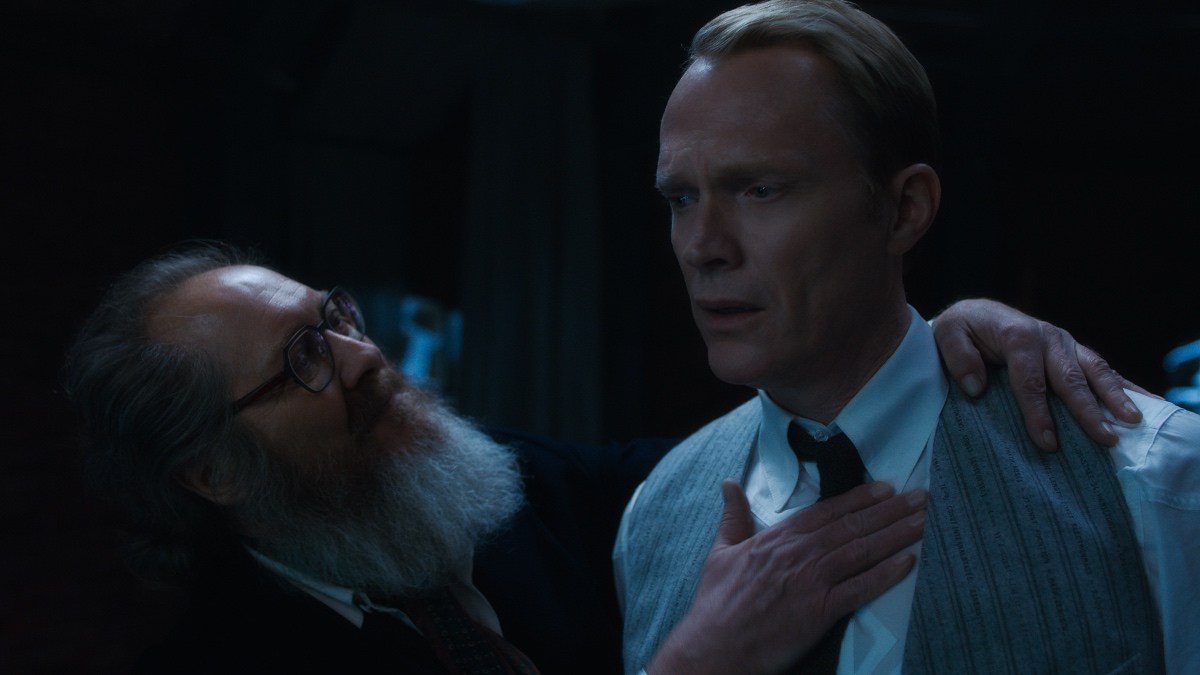
“Immolation” certainly begins as if it’s setting up a major superhero clash. The episode begins with a flashback to 1939 and the stately home of Dr. Phineas Horton (played by Paul Bettany), whose obsession with a machine has driven away his wife and daughter. That machine is a Joule Individual Machine aka J.I.M. a.k.a. Jim Hammond, the original Human Torch. The Human Torch was the first Marvel superhero, appearing on the cover of 1939’s Marvel Comics #1, a character who went on in the comics to inspire Johnny Storm of the Fantastic Four and the Vision.

But “Immolation” isn’t interested in a mere Marvel nod, though several appear in the episode. There’s the return of the blade wielded by Corvus Glaive of Thanos’s Black Order, used to skewer Vision in Avengers: Infinity War. Lisa gets a multi-armed backpack, essentially getting the abilities of her character Coat of Arms from the comics. Yet, most of the episode’s action and big set-pieces turn inward, as Vision, Ultron, and Jocasta must learn more about themselves to achieve their goals.

In the case of Ultron and Jocasta, the latter discovers that she must once again become Josephine Carrington if she wants to open the Nest that contains the nanobots she plans to unleash onto humanity. Vision must go deep into his source code to retrieve a secret, which he will give to the shadowy client who has been hunting him, via Paladin and Raza, throughout the series. In exchange, the client will give Vision the means to free Thomas’s girlfriend Lisa from one of Jocasta’s nanobots.

The heightened plot mechanics only serve to give the characters reason to talk with one another about identity and family, the way we owe debts to even those we dislike and the pain of being in love. Unsurprisingly, the Jocasta plot line is the weaker of the two, despite being the more grounded. As she returns to her Carrington identity, Jocasta learns the truth of what happened to her, how her partner Wells stole her research and allowed her to die—something we’ve more or less known from previous revelations. T’Nia Miller continues to be a fascinating screen presence, and no one will complain about having the opportunity to hear her recite “The Raven.” But the deeper point about having one’s passions stolen gets buried under an unnecessary mystery box structure.

One would expect that problem to plague Vision’s plot line, as it fundamentally is a problem that stems from Marvel continuity. The Vision we knew died in Infinity War. The Vision we’ve been following is the White Vision, a copy created by S.W.O.R.D. and implanted with the previous Vision’s memories. All of his questions stem from events from pervious Marvel movies and TV shows, they all address Marvel plot points.

And yet, to his credit, writer Terry Matalas (working with director Matthew Okumura for this episode) uses those genre requirements to ask rich questions about the nature of selfhood. When White Vision faces the previous Vision’s memories, when that Vision appears in his Mindscape to accost him, the specifics of his charges may be all related to Marvel lore, but the questions themselves are universal: what parts of ourselves are we afraid to face? Are we beholden to our actions in the past? What debts do we owe to those who shaped us, especially if that shaping hurts?

Even better is the sequence where Vision reaches his source code to face J.I.M. the Human Torch, also played by Bettany. The image of Vision running into a spacious library to find a flaming man standing in the center captures the horror of the existential question that Vision has been avoiding: Are we forever defined by the intentions of makers?

Vision, of course, was created by Ultron, by Banner and Stark, by S.W.O.R.D., and by Wanda. Some of those people wanted to use him for evil, others for good, but almost all of them contributed to his creation because they were scared, lonely, or afraid. J.I.M., we come to learn, was created by Phineas Horton as a replacement for his late son James, a way to avoid his grief and regain some sense of control over his life.

Bettany plays J.I.M. as someone bitter at his creator, all too aware of the weaknesses that led to his birth. When J.I.M. and Horton hurl accusations at each other, they seem less like mad scientist and unruly creation and more like what the episode wants them to be, parts of a battered psyche at war with themselves, too hurt and broken to peacefully cohere. So when we learn that the Human Torch bursts into flames because he feels too much, his superpower becomes poetic.

So poetic is “Immolation,” in fact, that the big reveal that the client is human played by James Spader doesn’t feel like a cheat. Instead, it feels thematically earned, giving us hope that VisionQuest can outdo its own progenitor, WandaVision, by ending with a strong final episode.

VisionQuest streams new episodes every Wednesday on Disney+.

03Why Naruto Can Break The Live-Action Anime Curse - Den of Geek
Read on denofgeek.com

Naruto.png?fit=1920%2C1080


It’s no secret that anime is the one medium Hollywood has struggled to adapt to live action. While we love series like Bleach or Dragon Ball Z for their hyperkinetic action and unique stories, translating that energy to the 3D world often leads to disaster – the less said about Dragonball Evolution and the Scarlett Johansson-led Ghost in the Shell, the better. Now the tide might be turning, thanks to Destin Daniel Cretton’s upcoming live-action adaptation of Naruto.

For starters, Naruto has a plot that’s fairly easy to grasp. Protagonist Naruto Uzumaki seeks to become the strongest ninja in the Hidden Leaf Village, while joining Team 7 with medical ninja Sakura Haruno and rival Sasuke Uchiha. Of course, Naruto fans know that the series eventually spirals into a saga of bloodshed and betrayal that rivals Game of Thrones, but the early stories could easily form the backbone of a movie, and sow the seeds for sequels.

Cretton has also proven that he can nail the intense martial arts sequences that fuel Naruto thanks to his previous blockbuster work. Shang-Chi and the Legend of the Ten Rings has Simu Liu’s titular Master of Kung Fu delivering piercing blows to men twice his size, and Spider-Man: Brand New Day has one of the best Spidey-themed action sequences ever put to screen when the web-head takes on the Hand ninjas. Cretton would definitely deliver on action in Naruto.

There’s also the fact that Cretton is a bona fide fan of Naruto. When he was first announced to direct the live-action adaptation, he expressed his love of the franchise in a way only a fan can. 

“As a longtime fan of Naruto, I’ve always loved that beneath the extraordinary action is a story filled with heart, humor, and humanity,” he said in a statement provided to the press. “Kishimoto-sensei created a world where unlikely heroes do extraordinary things, and that’s what makes it so special. Lionsgate has been an incredible partner, and I’m thrilled to reunite with the fantastic team at Sony. Together, we’re committed to capturing everything fans love about Naruto while introducing it to a whole new generation.”

Being a fan of something while taking a creative part in it is a double-edged sword, as your knowledge can help you deliver the necessary surface details but may prevent you from recognizing a compelling story if it deviates too far from the inspiration text. Thankfully, Cretton’s previous work on Marvel movies shows he can deliver a film that will please hardcore fans and newcomers alike.

Cretton also has an ace up his sleeve, as Sony is boarding production duties alongside Lionsgate. Considering Brand New Day made a stack of money, that’s hardly surprising. But Sony is also home to Crunchyroll, the world’s largest anime streaming service. And with Naruto serving as a crown jewel in Crunchyroll’s library, this is the best way to hook old fans and assure new fans that Naruto is in the right hands.

Every medium, from comic books to video games, has had peaks and pitfalls when it comes to being adapted. Naruto looks like it’ll be the beginning of a long-awaited peak for anime fans.

04Dead Account: Two Blue Flames Is About the Become Your Next Mobile Game Obsession - Den of Geek
Read on denofgeek.com

Dead-Account-Two-Blue-Flames.png?fit=1940%2C1080&w=1200&h=630&crop=1


Among the many titles being displayed at Tokyo Game Show 2026, one of the most consistently popular the entire weekend came from Smilegate, a South Korean studio specializing in mobile and PC games. The most fun that I had with any of the mobile games unveiled by Smilegate at this year’s show was Dead Account: Two Blue Flames, a top-down roguelite actioner with strong deck-building and character collection gameplay mechanics. After playing an extended preview of the game, I interviewed the creative team over email following the show.

“This was the first time we’d opened the game up to general players who were simply interested in it and, honestly, we were worried about whether they would take easily to controlling multiple characters and using their skills,” admits producer Kim Byoungki. “But most of the people who came by and played, regardless of age and gender, cleared the stages we’d prepared all the way through and gave us good scores on the survey. Having been able to watch people genuinely enjoy the game we’re trying to make is something we’re truly grateful for.”

Dead Account: Two Blue Flames has all the roguelike shoot’em up action of titles like Vampire Survivors but with an even grander scope in terms of how players can choose to leap into the chaos. The game is a deck-builder that provides players with a whole host of playable characters, each with their own playstyles and synergy bonuses depending on how they’re deployed. These characters are based on the popular manga series Dead Account by Shizumu Watanabe, which the game adapts. Even not knowing the manga source material myself, I still found the characterizations strong, both in gameplay and how the characters interact with each other on the battlefield, which is a major goal for the creative team.

“Our collaboration with the author has exceeded our expectations. He has been highly satisfied with how the game expresses his art and has offered plenty of support and advice,” Kim shares. “In working with the author, there is one thing we care about most: even if we add new dialogue for the game, the essence of the original characters must not change. For example, an ability that only got a brief mention in the manga, might need to be expanded into a full combat system in the game, or there might be a case where a character needs to deliver new lines unique to the game. Whenever this happens, we don’t just ask, ‘Would this be possible because it’s a game?’ We ask, ‘Would this character really act this way?’ That’s the standard we set for ourselves.”

As players progress, blasting through waves of all sorts of incoming enemies from all sides, they unlock additional party members to join the fray, which is especially key as the amount of enemies increases on-screen and formidable bosses attack. In contrast to other roguelike shooters, the ability to have these characters work together and unleash their distinct attacks on waves of enemies is a key component to the combat system and one of the game’s most entertaining mechanics. This aspect of the gameplay is something that the creative team have put a lot of time and care into getting right, appealing to both manga and roguelike shooter fans alike.

“Each character’s combat role comes from the abilities and the personality shown in the manga, and when they are put together with specific characters, their abilities connect and unlock new ways to play. So, we’ve worked hard to make each character’s individuality blend as naturally as possible into their playstyle,” Kim explains. “Our goal is for players to think, ‘Now that I’ve got this character, I want to try a new synergy with the ones I already have,’ when they pull new characters. And that for us is the fun in collecting—the more characters you own, the more ways you get to play.”

Every major wave of enemies is punctuated by an intense boss fight, which always commanded our full attention whenever such a formidable foe surfaced. These skirmishes call on players to bring in all the allies they’ve recruited so far, pulling out every special move just to emerge from these battles in one piece. For the developers, creating and refining the bosses were a huge priority for the creative team as defining moments within Dead Account: Two Blue Flames.

“Boss fights are where players get the biggest thrill,” Kim observes. “Players cut through waves of enemies swarming the field, refining their team synergy and characters’ traits and then hit a mid-boss or final boss, and get to see what all the growth was for. That moment when you get to unleash everything you’ve got and beat the gimmick is where the dopamine and thrill come from. And that’s exactly what we’re balancing and fine-tuning through R&D.”

Of all the mobile games that we played at Tokyo Game Show 2026, Dead Account: Two Blue Flames was our personal favorite and feels relatively close to completion, at least by our estimate. The action is smooth and intuitive, even on the smartphone touchscreen that our demo was played on, while the roguelite elements keep the experience fresh and exciting. For the creative team, this is a project that celebrates its source material while keeping things accessible and, most importantly, fun.

“Dead Account : Two Blue Flames started from a simple idea: Take the affection and growth you feel when playing a character-collection RPG, and add the fun of a roguelite – playing and strategizing firsthand,” reflects Kim. “For fans of the manga, it’s a new way to interact with the characters they love themselves, and to discover stories for each of them that haven’t been shown in the original. And for people meeting the IP for the first time, we want the game to be so much fun, that it makes them curious about Dead Account as a whole.”

05Latest X-Men Reboot Casting Rumor Suggests Marvel Is Going Back to Basics - Den of Geek
Read on denofgeek.com

Iceman-X-Men.png?fit=1200%2C675


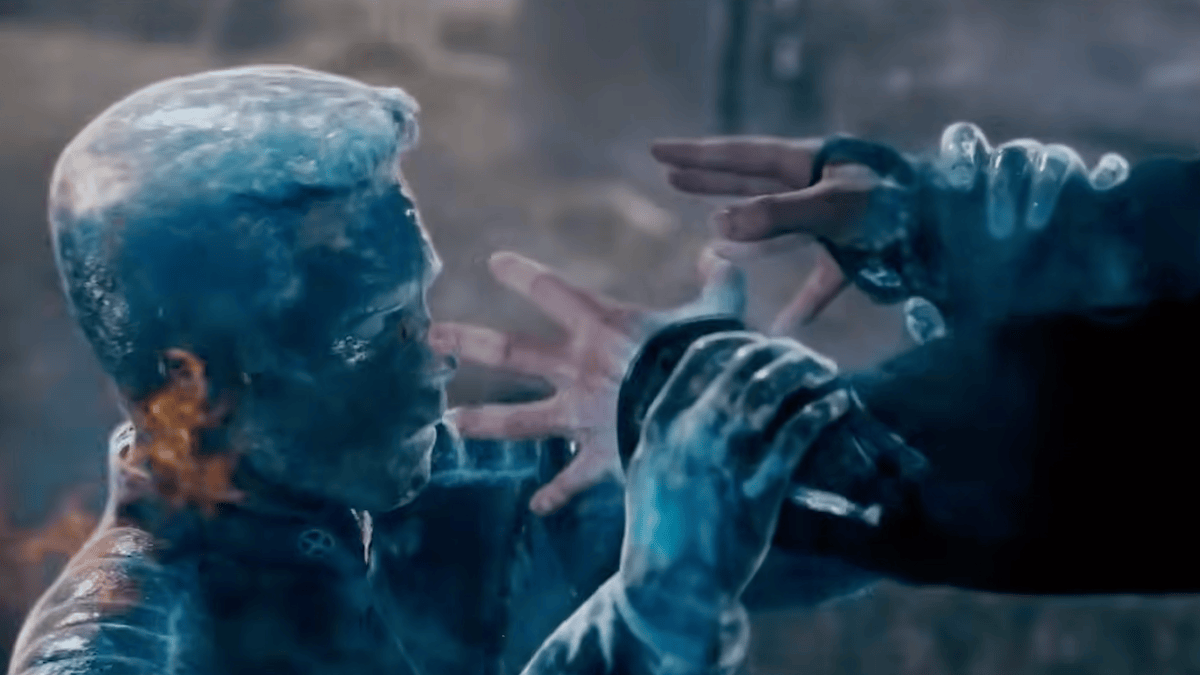
Marvel Studios is pulling out all the stops for its upcoming X-Men reboot, including tapping Jake Schreier — who handed the MCU one of its best movies in Thunderbolts* — as director and wrangling an all-star cast that includes Inde Navarrette as Rogue, Samara Weaving as Emma Frost, and Adam Driver as a character that’s definitely Mister Sinister. However, recent casting news suggests Marvel is doing something that could set the X-Men reboot apart from the previous Fox-era movies.

Deadline recently reported that Ben Wang (American Born Chinese, Karate Kid Legends) is in the running to play Bobby Drake a.k.a. Iceman. This is a great choice for many reasons. Wang has proven himself to be a genuinely talented actor in the handful of roles he’s had, which provides some faith he can capture Bobby Drake’s sense of humor and youthful energy. But the fact that Iceman is going to be part of the X-Men reboot also confirms that the story will likely center on the original five X-Men: Cyclops, Jean Grey, Angel, Iceman and the Beast.

While most fans are used to the “All-New, All-Different” era of X-Men which brought the comic world Storm, Nightcrawler, and Wolverine (and jumpstarted X-Men legend Chris Claremont’s run with the mighty mutants), it’s rare that an X-Men adaptation has featured the original five members. The closest we’ve come is the X-Men: Evolution episode “Under Lock and Key”, and 2006’s X-Men: The Last Stand, though fans would prefer to forget the latter. 

By starting off with the original 5, the X-Men reboot isn’t just avoiding comparisons to the Fox-era X-Men movies, it’s also leaning into the idea that Charles Xavier’s School for Gifted Youngsters is actually a school. Most of the characters who’ve been cast – including Sadie Sink’s Jean Grey, Kit Connor’s Cyclops, and Asa Germann’s Angel – are teenagers, and in a world that fears and hates mutants, they need a safe haven to flock to. Young adult stories are still all the rage, as Harry Potter, Percy Jackson, and The Hunger Games all have adaptations dropping later this year. Why not get in on the action with a superhero story that’s built for this genre?

While Schreier has said he’s drawing inspiration from Chris Claremont and Jonathan Hickman for the X-Men reboot, the presence of the original five X-Men also hints that he may be using Louise Simonson’s X-Factor run as inspiration. Simonson reunited the original five, but it wasn’t exactly a smooth process: Cyclops ended up leaving his wife Madelyne Pryor when he found out Jean was alive, Iceman and Beast find themselves butting heads, and Angel gets it the worst as he has his wings cut off and is transformed into Archangel by Apocalypse. The presence of Mister Sinister strengthens those ties, and spells trouble for Cyclops as the gothic geneticist is obsessed with him.

Marvel Studios had to make sure its X-Men reboot stood out from previous X-Men movies. By going back to basics with the First Class, it might have done just that.

06The Leander Film Festival Puts Hollywood Stars and Independent Gems Side by Side - Den of Geek
Read on denofgeek.com

kj-apa-jimmy.png


There’s something exciting about a film festival that gives audiences the chance to see familiar Hollywood stars in unexpected roles or discover an independent filmmaker on the verge of a breakthrough. Experiencing stories that viewers might not otherwise encounter in their local cinemas is exactly what the inaugural Leander Film Festival is setting out to accomplish when it arrives in Central Texas this month.

Running from Nov. 11 to 15, the five-day festival boasts an impressive lineup of talent, including Michael Keaton, Renée Zellwegger, Adrian Grenier, James Hong, Martin Freeman, Barry Corbin, and many more recognizable names. But the festival is equally interested in giving emerging filmmakers, international storytellers, and Texan-based creative voices a platform, making for a wonderfully eclectic celebration of what independent cinema is capable of.

In fact, the festival aims both to entertain and educate its attendees. “The Leander Film Festival is more than a celebration of film. It creates opportunities to educate, inspire, and connect our community while helping the next generation discover storytelling and filmmaking,” says Mike Herrera, co-founder of the Leander Film Festival and co-owner of CSSI Solutions.

“I’m thrilled to be part of a festival dedicated to growing film and film education in Leander,” says Laura Davis, education advocate, co-founder of the Leander Film Festival, and owner of Davis Consulting AI. “The films submitted this year are incredible, and I can’t wait to celebrate them with our community from the opening night premiere of Jimmy to our Awards Gala.”

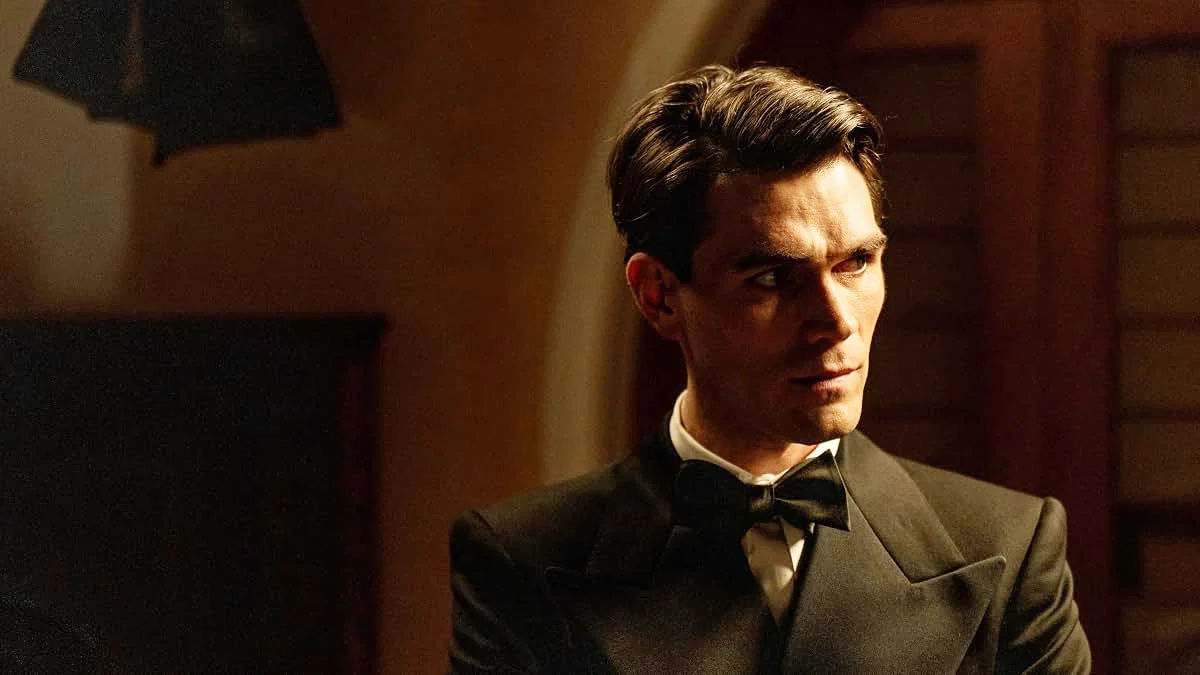
The biopic Jimmy, which follows the life and career of legendary Hollywood actor and World War II veteran James Stewart, is definitely one of the gathering’s biggest attractions. Riverdale star KJ Apa takes on the role of Stewart in the film written by Texas-based screenwriter Justin Strawhand, who is expected to be on hand for the movie’s red carpet premiere. Apa’s co-star Kara Killmer (Chicago Fire) is also set to attend the festival’s closing ceremony.

Elsewhere festival-goers can attend a screening of Faith, a locally shot comedy starring Adrian Grenier (The Devil Wears Prada) about an unlikely pastor attempting to save a small-town Texas church. Meanwhile, Renée Zellwegger will return to her home state of Texas to make her directorial debut with the experimental animated short They. Likewise, Michael Keaton steps behind the camera for Sweetwater, a science fiction drama co-starring Kyra Sedwick that explores grief through the lens of futuristic corporate memory simulations. The film’s screening will include an appearance by award-winning songwriter and screenwriter Sean Douglas, Keaton’s son.

Latino storytelling and representation also have a meaningful place in the lineup as well. Puerto Rican actress Paola Andino (Queen of the South) appears in You Can’t Leave, while Grenier brings his own Mexican American heritage to his aforementioned comedy Faith. But perhaps the most significant Latino-centered selection arrives on closing night.

Revolution’s Daughter, directed by Peabody and Emmy Award-winning filmmaker Thaddeus D. Matula, tells the extraordinary story of Alina Fernández, the daughter of Fidel Castro who eventually escaped Cuba and built a life outside her famous father’s shadow. Featuring artists like singer Gloria Estefan, playwright Nilo Cruz, and Artist José Bedia, the documentary offers a deeply personal perspective on Cuban history and life in exile.

In addition to screenings, the Leander Film Festival will host workshops and industry panels as well as awards ceremonies with cash prizes and development packages up for grabs in the Feature Screenplay and Co-Production Pitch Market, which is designed to help emerging writers take their projects to the next level. For its first year, the Leander Film Festival is making a bold statement about what a regional film festival can be, says the festival’s organizers.

“As one of the fastest growing cities in the country, Leander deserves its own cultural anchor, and we’ve been thrilled to discover incredible local filmmakers right here in our own community,” says Sasha Yelaun, co-founder of the festival. “The Leander Film Festival marks the birth of a major new creative hub, offering a distinct, intimate alternative to the crowded landscapes of SXSW and the Austin Film Festival.”

Den of Geek will be on-site at Leander Film Festival for an interview and photo portrait studio. Stay tuned for our coverage, and for the full schedule and tickets, visit leanderfilmfestival.com.

07I Play Rocky Review: A Crowdpleaser Sylvester Stallone Would Be Proud to Claim - Den of Geek
Read on denofgeek.com

Sylvester-Stallone-in-I-Play-Rocky-Review.jpg


Sylvester Stallone and John G. Avildsen’s Rocky is often cited as a quintessential 1970s movie, a perception that never seemed entirely right to me. It certainly is of its era, grounded if even superficially in the grime and weariness that defined the decade-long hangover after Nixon and Vietnam. Yet Rocky was also in many ways a reaction to that bleak atmosphere; a counterpoint to the cynicism of The Conversation or The French Connection, or for that matter Avildsen’s own Joe, which ended in 1970 by having its racist loudmouth protagonist accidentally murder his own daughter (a babyfaced Susan Sarandon).

In this kind of cultural crucible, Rocky followed up on the prescient instincts of Jaws right before it, or Star Wars shortly afterward, and gave a populist palette cleanser to the masses. It insisted that sometimes even a southpaw from Philly can go the distance.

In 1976, some critics sniffed at such sentimentality as manipulative, but everyday moviegoers ran away by the millions with to join the Italian Stallion at the feel-good circus. In ways overt and subtle, Peter Farrelly’s I Play Rocky emulates that still-winning formula, right down to embracing sentiment over the aloof ambiguity of a fall festival season release.

The movie—which tells the ever impressive story of Sylvester Stallone’s journey from out-of-work actor to a writer with a hot script he wouldn’t sell unless he got the starring role—is every bit as sweet and syrupy as Rocky. It’s so yearning, and perhaps so calculated, it practically begs audiences to forget what came later, from Stallone’s reigning diva status in ‘80s action cinema to his more modern reputation as a Hollywood Trump whisperer. And to be fair, if one can let go of any pretenses at cynicism, then it’s hard not to be charmed by this real-life fairy tale with puppy dog eyes.

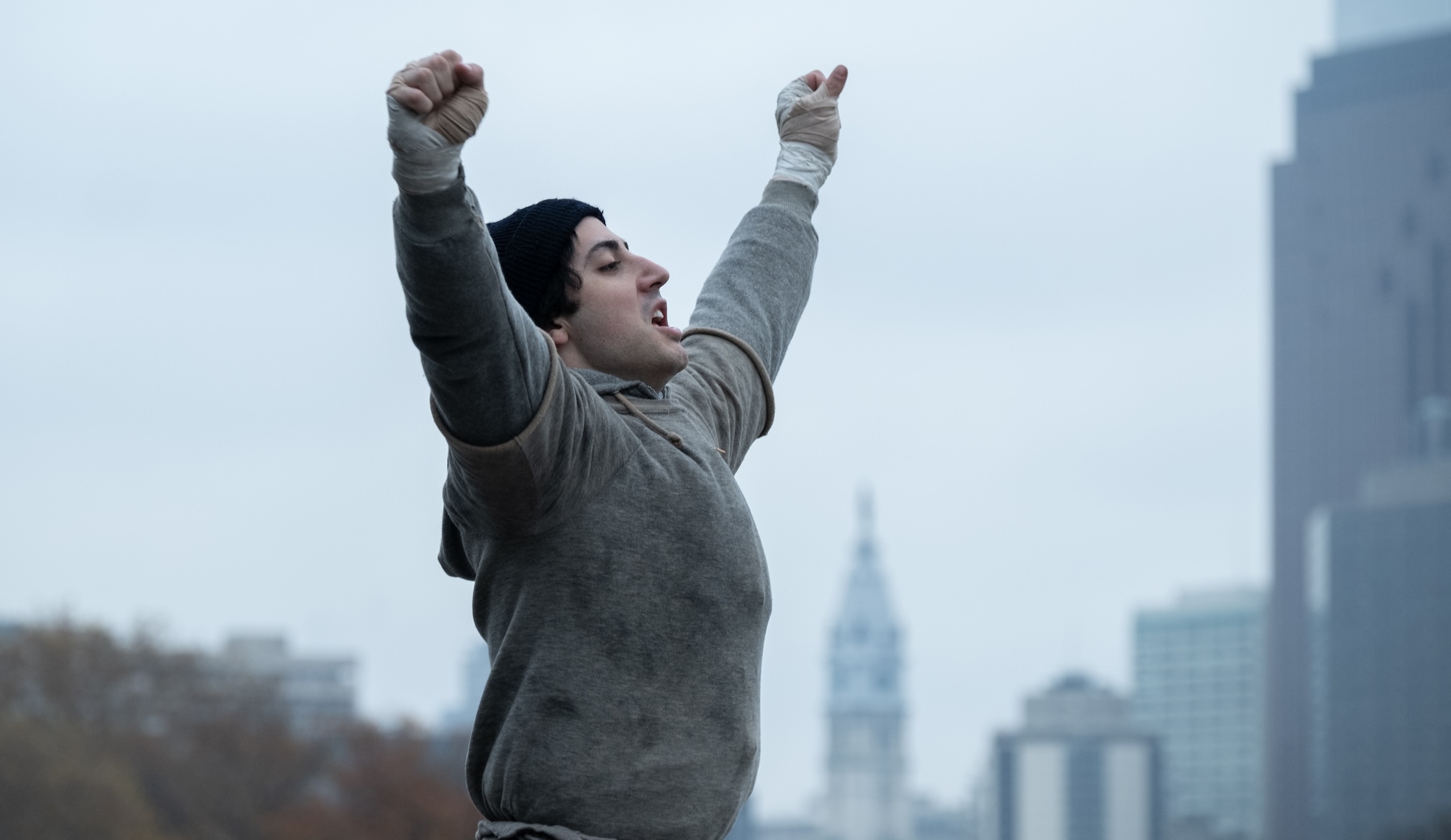
Indeed, when we meet the film’s version of a young Stallone (an eerily uncanny Anthony Ippolito), just about the only thing he’s got going for him are those eyes via his beloved bull dog, Butkus. The two lived on the street for a spell before the story starts up, and things aren’t going too much better in first New York and later Los Angeles for “James” (he is embarrassed to go by his real name Sylvester). One person who actually appreciates a 50-cent handle like “Sylvester” though is Sasha Czack (AnnaSophia Robb), a young woman Stallone meets at a movie theater where they both work. She also quickly becomes the voice of needed confidence, urging him to try writing roles for himself like Orson Welles did.

Cut to not-quite two years later, and Sylvester and Sasha are married and living on the West Coast, which is probably best since it puts time zones between Sly and his abusive father Frank (Matt Dillon). But the acting career isn’t going too much better, even as his spec scripts are starting to get the attention of producers like Irwin Winkler (P.J. Byrne) and Robert Chartoff (Toby Kebbell). The duo recognize Stallone’s got talent but are eager to see if he can do something more commercial. He can.

It begins after the would-be star watches from a bar stool how real-life challenger Chuck Wepner (almost) goes 15 rounds with heavyweight champ Muhammad Ali before the Greatest defeated Wepner by technical knockout. It was close enough though for Stallone to see the value in smudging the details a little and having his fictional Rocky Balboa go the full distance against a world champion. Producers like Winkler and Chartoff also see the value in the idea. Hell, a cantankerous and a delightfully shady composite character of various United Artists executives played by Tracy Letts likes the screenplay too, despite claiming he hates boxing movies! But this one will work, assuming they get someone like Burt Reynolds or Clint Eastwood, or maybe Ryan O’Neal. But that’s of course the hitch: Stallone insists, no matter how much money they try to put in front of him, that “I play Rocky.”

The crux of the film, and its literal title, is also the most dramatically rewarding thing about Farrelly’s film. By virtue of the subject matter, we know who will ultimately play Rocky, but the way Peter Gamble’s screenplay and Farrelly’s direction ratchets up the pressure on Stallone brings into stark relief how miraculous his career breakthrough really was. Not only does the long setup draw on Farrelly’s comedic instincts to lean into the wry industry satire where a bunch of suits seem to doubt the movie star potential of Sylvester Stallone, but the film then piles on mountains of pressure atop that once invulnerable-seeming lead character.

The offers start mild enough, even in 1975 money, with Winkler and Chartoff initially trying to lowball Stallone with a $15,000 writer’s fee. Before it’s over, the weeks-long negotiation will reach closer to the neighborhood of half a million dollars, provided that Stallone accepts his fate as behind a typewriter. In every scene between those figures though, Farrelly and Gamble steadily heat the stove beneath Stallone’s feet: he can longer afford to feed Bupkis, the dog he protected on the street, and must face the prospect of giving him away; Sasha reveals she is pregnant; his would-be studio head almost catches him working as a valet in Beverly Hills! Even his father shows up in LA to turn the screws.

Farrelly is no stranger to playing fast and loose with facts in order to spin a good yarn—look no further than the lingering controversy around his Best Picture winner, Green Book—but the prevailing winds Stallone faced were so severe that he didn’t settle for a screenwriting career remains a remarkable achievement. It’s also fertile ground for Ippolito who at glance really does look like someone has de-aged Sly back to his youth. Ippolito’s performance is far fuller than impersonation, though; he gives Stallone a salt-of-the-earth underdog quality that is in obvious conversation with the Rocky character while also, if only faintly, hinting at an ego that never quite crossed over into the real Stallone’s cuddly onscreen alter-ego.

That conversation between Stallone and Rock is at its best when it’s at a whisper during the pre-production process. Once the movie goes into production, it becomes a lot more conventional, with the Rocky making-of story insisting on rhyming with the 1976 classic to the point of occasionally straining credulity.

Still, this is not all feel-good easter eggs or generic biopic hagiography. Those elements do exist, including with how much AnnaSophia Robb is similarly minimized into the role of supporting spouse by the movie’s third act, but there is still an inside-baseball ruefulness that makes it go down smooth. Byrne and Kebbell find every subtle variation of exasperation on the gradient wheel, and late blasts of energy by Jay Duplass as a tyrannical Avildsen and Stephan James as a braggadocious Carl Weathers only heightens the tone of a movie that’s at its best when it gets gossipy.

I Play Rocky is a movie that succeeds at being a lot like the character it’s named after: the thing is big, loud, and wears its heart on its sleeve. I have little idea whether it’s the “real story,” but it is definitely a crowdpleasing yarn that leaves audiences feeling like they saw the little guy win one. It’s a movie that makes you appreciate every mile Stallone walked along that distance, and in its better moments just sits with him in the toughest stretches—making the happily ever after not quite so certain.

I Play Rocky opens in limited release on Nov. 6 and wide on Nov. 20.

08After Mortal Kombat and Street Fighter, This Fighting Game Needs a Movie Adaptation - Den of Geek
Read on denofgeek.com

Soulcalibur-VI.jpg?fit=1920%2C1080


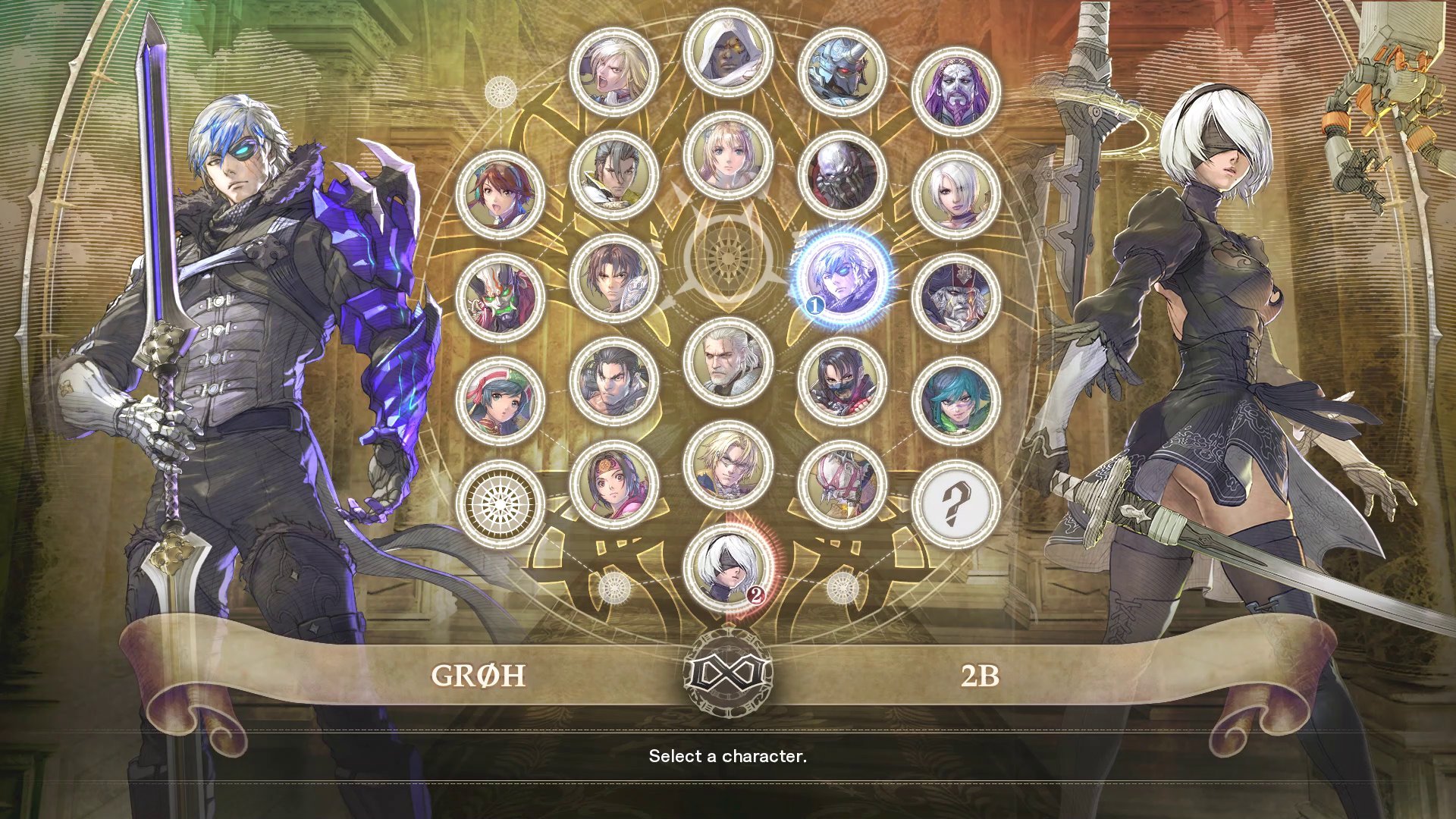
2026 saw the release of not one, but two movies based on an iconic fighting game series: Mortal Kombat II and Street Fighter. Both of these movies attempted to capture their respective franchise’s flavor, whether it was buckets of blood and gore for Mortal Kombat II, the special energy attacks in Street Fighter, or the wide cast of characters that populate both. Naturally, discussion has sprung up about which fighting game franchise should get a similar treatment, and the answer is simple: Soulcalibur.

The Soulcalibur franchise kicked off with Soul Edge in 1996, a fighting game in which eight warriors sought to obtain the legendary sword Soul Edge. Some thought the sword would make them invincible. Others sought it to end wars. But what none of them knew is that Soul Edge is a pure force of evil, and corrupts whatever it touches. The first Soulcalibur game reveals that Soul Edge has a twin: the holy blade SoulCalibur, meant to offset Soul Edge’s darkness.

Already, a Soulcalibur movie is ripe with potential. The idea of an evil sword corrupting all it touches and compelling people to seek it out? That’s a story that has more than a few shades of The Lord of the Rings, and the wide cast of characters also feels Tolkien-esque. From the dread pirate Cervantes to priestess Talim and the strange samurai Yoshimitsu, plenty of characters have their own goals and connections to explore.

Perhaps the most compelling character, and the one a future film should focus on, is Siegfried Schtauffen. A former bandit, Siegfried stumbled upon Soul Edge and was corrupted by its power, becoming the monstrous Nightmare. Nightmare is arguably the most visually compelling character in Soulcalibur: his armor is as demonic as his namesake, with one of the arms being monstrous and corrupted – hinting at how Soul Edge has driven him mad. Future games would split Siegfried and Nightmare into two entities, wielding Soulcalibur and Soul Edge respectively. It’s a dynamic ripe with storytelling potential.

Soulcalibur would also stand out because each character in the game uses a signature weapon. A great example is Cervantes, who wields two swords with a pistol built into the handle of one. The massive Astaroth has an axe the size of his body, which he can swing with dizzying force. And ninja assassin Taki carries twin short swords which she uses with lethal efficiency. While Mortal Kombat focuses on bloodshed and Street Fighter on over the top attacks, Soulcalibur could stand out with expertly crafted sword duels.

Ironically, Soulcalibur almost did become a movie back in the early 2000’s. Legendary martial artist Sammo Hung sought to direct his own adaptation in 2001, and a movie rumored in 2007 never got off the ground. But we all know the old saying: the third time’s the charm. That’s never been more true now that Mortal Kombat and Street Fighter have hit the big screen.

0914 Toxic TV Friendships We Wouldn’t Wish On Our Worst Enemies - Den of Geek
Read on denofgeek.com

wp_image-_id__1009544_sizeSlug___large__linkDestination___none_-_-_figure-class_wp-block-image-size-large___img-src_https___www.denofgeek.com_wp-content_uploads_2026_07_image_b11ece.png_resize1024-7-3.jpg?fit=1600%2C900


Some television friendships are built on loyalty, shared secrets, and showing up when things get difficult. Others involve sleeping with your best friend’s boyfriend, sabotaging their career, or casually ruining their life over brunch. Somehow, those are often the friendships we find most entertaining. TV writers have given us plenty of duos who spend more time plotting against each other than actually enjoying each other’s company. They might call themselves best friends, but their behavior suggests a very different arrangement. A few even manage to stay close after betrayals that would end most real relationships immediately. Here are 15 toxic TV friendships that make having no friends sound surprisingly peaceful.

Blair Waldorf and Serena van der Woodsen, Gossip Girl

Serena slept with Blair’s boyfriend, while Blair publicly weaponized Serena’s secrets against her. Their friendship practically ran on jealousy, revenge, and expensive apologies.

Hannah Horvath and Marnie Michaels, Girls

Marnie once dragged Hannah into a birthday karaoke performance she explicitly didn’t want, a fitting example of their endless competition and spectacularly poor boundaries.

BoJack Horseman and Todd Chavez, BoJack Horseman

BoJack deliberately sabotaged Todd’s rock opera by reigniting his video game obsession, all because he didn’t want his roommate moving out.

Tom Wambsgans and Cousin Greg, Succession

Tom regularly humiliates, threatens, and manipulates Greg, who keeps accepting the abuse because being close to power apparently outweighs having any self-respect.

Shauna Shipman and Jackie Taylor, Yellowjackets

Shauna secretly slept with Jackie’s boyfriend Jeff, a betrayal that eventually helped destroy their friendship during an already disastrous wilderness ordeal.

Alison DiLaurentis and Her Friends, Pretty Little Liars

Alison collected her friends’ secrets and used them to control the group, treating blackmail and intimidation as perfectly ordinary ways to maintain popularity.

Olivia Mossbacher and Paula, The White Lotus

Olivia treated Paula like a fashionable accessory, while Paula involved Olivia’s family in a disastrous theft scheme during their supposedly relaxing Hawaiian vacation.

Rachel Berry and Santana Lopez, Glee

Rachel couldn’t handle Santana becoming her Broadway understudy, and their friendship quickly collapsed into accusations, arguments, and another fight over who deserved the spotlight.

Ted Mosby and Barney Stinson, How I Met Your Mother

Barney constantly pushed Ted into ridiculous situations, then slept with his ex-girlfriend Robin and actually searched for a loophole in his precious Bro Code.

Dennis Reynolds and Mac, It’s Always Sunny in Philadelphia

Dennis enjoys controlling the people around him, and Mac’s desperate need for his approval gives him an almost unlimited supply of opportunities.

Bart Simpson and Milhouse Van Houten, The Simpsons

Bart routinely drags Milhouse into trouble, takes advantage of his gullibility, and somehow expects him to show up for the next terrible idea.

Daria Morgendorffer and Jane Lane, Daria

Daria kissed Jane’s boyfriend Tom, nearly destroying the one friendship that had consistently made high school tolerable for both of them.

Effy Stonem and Pandora Moon, Skins

Effy brought chaos to Pandora’s carefully planned party, while Pandora later slept with Cook, turning their already uneven friendship into another complicated mess.

Fleabag and Boo, Fleabag

Fleabag betrayed her closest friend by sleeping with Boo’s boyfriend, a secret that became central to the guilt she carried throughout the series.

1015 TV Shows We Can’t Believe Everyone Forgot: Did You? - Den of Geek
Read on denofgeek.com

Diseno-sin-titulo-4.jpg?fit=1600%2C900


Television has given us countless unforgettable characters, iconic finales, and shows that people still quote decades later. But what about the series that once had everyone talking and somehow disappeared from the conversation? Some had impressive casts, unusual premises, or surprisingly devoted audiences, yet rarely get mentioned when people discuss the best shows of their era. Others were genuinely entertaining but got lost among bigger hits and newer releases. Whether you watched them after school, stayed up late for another episode, or completely missed them the first time around, these 15 forgotten TV shows deserve another moment in the spotlight.

Pushing Daisies (2007–2009)

This quirky fantasy comedy followed a pie maker who could bring the dead back to life with a single touch, creating one of television’s most visually distinctive worlds.

Dead Like Me (2003–2004)

A teenager dies unexpectedly and becomes a grim reaper, joining a group of equally unusual coworkers who collect souls while dealing with their own unfinished lives.

Wonderfalls (2004)

A gift shop employee begins hearing strange instructions from animal-shaped objects, sending her into a series of bizarre situations she never asked for.

My So-Called Life (1994–1995)

This short-lived teen drama captured the confusion of adolescence with an honesty that made its cancellation particularly frustrating for its devoted audience.

The Adventures of Brisco County, Jr. (1993–1994)

Bruce Campbell played a Harvard-educated bounty hunter in a wonderfully strange Western packed with science fiction, comedy, and steampunk inventions.

Freaks and Geeks (1999–2000)

Set in a 1980s high school, this cult favorite introduced audiences to a group of misfits whose awkward teenage experiences felt refreshingly authentic.

Popular (1999–2001)

This teen comedy drama explored the rivalry between a popular cheerleader and an unpopular classmate who suddenly become stepsisters.

Sports Night (1998–2000)

Created by Aaron Sorkin, this fast-paced comedy followed the personalities and professional chaos behind a nightly sports television program.

Ed (2000–2004)

After losing his job and discovering his wife has been unfaithful, a lawyer returns to his hometown and buys a bowling alley while trying to rebuild his life.

The Pretender (1996–2000)

A genius capable of mastering almost any profession escapes a secret organization and uses his extraordinary abilities to help people while staying one step ahead of his pursuers.

Early Edition (1996–2000)

A Chicago man receives tomorrow’s newspaper every morning and tries to prevent disasters before they happen, whether he likes it or not.

Northern Exposure (1990–1995)

A New York doctor is sent to a tiny Alaskan town, where its eccentric residents turn his assignment into an unexpectedly charming adventure.

Jericho (2006–2008)

After nuclear explosions devastate several American cities, residents of a small Kansas town struggle to survive while trying to understand what happened.

The Middleman (2008)

A young artist gets recruited by a secret organization to fight bizarre threats, including monsters, mad scientists, and all kinds of ridiculous supernatural problems.

Wonder Woman (1975–1979)

Lynda Carter starred as the iconic superhero in a colorful series that became a defining piece of television pop culture, even if younger audiences rarely revisit it today.

Preparing feed…