Feed library

The reading room

Wccftech

20 articles/Updated Visit source
Atom feed Refresh

This preview uses the same feed and article caches as your subscriptions.

01Qualcomm Takes On The AI Inference Memory Bottleneck With Working HBC Silicon, And Its First Data Center Product Is Already Taped Out - Wccftech
Read on wccftech.com

Qualcomm-HBC.jpg


Qualcomm has announced that its first-generation High Bandwidth Compute (HBC) silicon has been validated in its San Diego lab, giving the company early hardware evidence for a memory design aimed at AI inference. The chip seemingly ran the complete memory read-write path and near-memory computations at production-representative dimensions, using industry-standard automated test equipment with randomized weights and activations.

The chipset maker’s Dragonfly AI250 is expected to sample in the first half of 2027

The target is memory bandwidth, which Qualcomm calls a central constraint for LLM inference because every generated token requires model data to be fed to the compute units. When operating at a data center scale, the energy and latency of that movement affect throughput, power consumption, and total cost of ownership. HBC aims to solve this by placing compute closer to memory to cut data movement and raise effective bandwidth.

Qualcomm’s HBC design stacks low-power LPDDR dies on top of an active AI accelerator base die using wafer-to-wafer bonding, which shrinks the distance data travels from millimeters to just micrometers. As reported by HotHardware, this approach results in an 18x increase in effective memory bandwidth over LPDDR5X and more than 5x the bandwidth per watt of projected HBM4 specifications.

However, the efficiency improvements landed slightly below the 6x benchmark Qualcomm had projected earlier. The San Diego firm’s own footnote says the figures are estimates based on measured silicon results normalized to target operating conditions and compared with published competing product specifications, and that final performance may vary by implementation, workload, and system configuration.

Qualcomm also describes a staged program spanning architecture, process development, test vehicles, silicon validation and product integration, and says it has worked with foundry and assembly partners to qualify wafer-to-wafer bonding. To address defects in its stacked layers, the design includes redundancy and remapping, allowing it to work around faulty memory. The chipset maker also points to more than a decade of memory-on-logic work, including commercialized direct bonding of DRAM onto logic and a hand in shaping JEDEC LPDDR standards.

Commercial products from Qualcomm are expected to employ a four-layer DRAM stack, up from a two-layer one. Speaking of products, the Dragonfly AI250 is targeted for sampling in the first half of 2027 and will slot into Qualcomm’s Dragonfly Rack inference infrastructure. As for the specifications, the hardware includes a fully liquid-cooled rack with 38.6 TB of memory and 7.4 petabytes per second of effective bandwidth.

Qualcomm’s in-house launch strategy will move towards the server side as it plans to deploy its Oryon-based C1000 server CPU in 2027, followed by next-generation HBC in the Dragonfly AI300 in 2028. While it’s certainly an improvement, it’s important to keep in mind that these results are from Qualcomm’s own lab based on early silicon, and there’s a possibility that independent benchmarks paint a different picture, which we’ll update readers about in the future.

News Source: Qualcomm

About the author: Omar Sohail is a reporter and analyst for Wccftech's mobile section, specializing in the technology and business of the mobile industry. His expertise lies in the intricate hardware supply chain, covering developments in semiconductor manufacturing, chip lithography, and camera sensor technology.

Follow Wccftech on Google to get more of our news coverage in your feeds.

02Allstate Denied A Walmart Acer PC Owner’s 3-Year Plan Claim For Reseating RAM, Even Though The Stick Had Already Failed, Says User - Wccftech
Read on wccftech.com

Walmart-PC.jpg


Can just reseating your RAM void your warranty? It can, at least according to an owner of an Acer pre-built desktop purchased from Walmart, who claims that his warranty claim was denied by Allstate, the insurance company, because they reseated their RAM while trying to work out what had failed. The pre-built PC owner purchased a 3-year insurance period, but paying a premium didn’t hold up well in the long run.

The owner has filed a BBB (Better Business Bureau) complaint and is appealing the denial

According to Redditor ‘u/Xannysby2’, the Acer pre-built wasn’t running as well as it used to, especially in games, and they found it was only showing 16GB of RAM instead of 32GB. To isolate the cause, the PC owner removed the sticks, reseated them, and swapped them between slots to see whether the fault was a bad slot or a bad stick. It turned out that one of the sticks had stopped working.

Swapping RAM sticks is one of the oldest tricks in the book for diagnosing a PC, and if your computer stops showing a display or doesn’t POST, the most likely culprit is the memory. Unfortunately, based on the post, Allstate doesn’t want users to self-diagnose a failing computer and denied the claim because removing and reseating RAM violates the warranty.

The Redditor states that the warranty denial doesn’t make sense because the PC had already stopped recognizing half of its installed memory before they opened the case. They stress that they weren’t replacing parts or upgrading anything and were only trying to figure out what had failed.

The PC owner looked through the plan’s terms, which exclude damage caused by certain unauthorized handling or repairs. The argument made is that the RAM was already malfunctioning before they touched it, and that Allstate hasn’t explained how their troubleshooting caused any damage. A Better Business Bureau complaint has been filed from the customer’s end, appealing the denial, while also asking other users whether they are missing something.

This is a strong reminder to read what a protection plan says about opening the case and starting to troubleshoot hardware. Sure, some of you could be well-versed in diagnosing failing PC components, but not at the cost of being denied a warranty claim, which is another headache the Redditor has to deal with.

News Source: Reddit

About the author: Omar Sohail is a reporter and analyst for Wccftech's mobile section, specializing in the technology and business of the mobile industry. His expertise lies in the intricate hardware supply chain, covering developments in semiconductor manufacturing, chip lithography, and camera sensor technology.

Follow Wccftech on Google to get more of our news coverage in your feeds.

03Zelda: Ocarina of Time Remake Deliberately Avoids a Seamless Hyrule, as Director Ng Says: “We Wanted Each New Area to Bring the Original’s Sense of Excitement” - Wccftech
Read on wccftech.com

Top_Banner_EN-HD-1920x1081.jpeg


Today, Nintendo has published the first two parts of its vast Ask the Developer interview for The Legend of Zelda: Ocarina of Time remake, ahead of the Switch 2 exclusive's launch on Thursday, November 5. Among the various subjects, the most interesting tidbit concerns a key early design choice the team made: the game's version of Hyrule is deliberately not seamless, a significant departure from Breath of the Wild and Tears of the Kingdom.

Game Director HokWai Ng explains:

We didn't want to change the feel of each location or the way the locations connected with one another, both of which are so characteristic of The Legend of Zelda: Ocarina of Time. So this time, as in the original game, we chose not to make the entire world seamless, instead using separate maps for different areas. We wanted each new area to bring the same sense of excitement that players experienced in the original. We hoped that moving from one map to another would provide a natural point of transition, giving players a chance to reflect on their adventure so far while building anticipation for the next part of their adventure awaiting them in the next area. We also wanted to capture the excitement of thinking, “I'm going to explore this world.”

Ng claimed that the project's guiding principle was “the visuals may change, but the experience does not.” He contrasts Ocarina of Time's more self-contained structure with the vast, seamlessly explorable maps of Breath of the Wild and Tears of the Kingdom.

Elsewhere in the interview, Art Director Aya Shida details how that constraint shaped Hyrule Field in particular: explorable areas received a high level of detail, inaccessible areas were given deliberately less visual information so they read as distant scenery, and landmarks such as the castle and windmill were enlarged to create variation in scale. The goal was for players to understand from the screen alone that something might be hidden behind a breakable object, or that a given spot is a vantage point, without being told.

On the art style, Shida says the team used phrases like a puppet-show feel and the analog feel of practical effects films as early keywords for the intended aesthetic, aiming for a world that felt real without being strictly realistic. Series producer Eiji Aonuma notes the irony that the N64 team was chasing the cutting edge rather than nostalgia.

Parts 3 and 4 of the interview will go live tomorrow; meanwhile, check out our The Legend of Zelda: Ocarina of Time roundup to get up to speed on everything related to the remake.

About the author: With over two decades of experience in gaming journalism, Alessio Palumbo has led the gaming vertical at Wccftech since August 2015. He started working at a young age for Italian websites like Everyeye.it, Gamestar.it, Nextgame.it, and Multiplayer.it before kickstarting the indie English-language publication Worlds Factory as its founder and Editor in Chief. In the last decade, he has coordinated the overall output of Wccftech's gaming section, managed PR relations, assigned reviews, produced daily news coverage, edited gaming content as needed, and delivered game reviews. Arguably, his trademark content is the long series of exclusive developer interviews that have been cited by Wikipedia and by the biggest news media and gaming publications. His passion for technology also makes him knowledgeable when it comes to gaming hardware and tech. His favorite genres include RPGs, MMORPGs, and action/adventure games.

Follow Wccftech on Google to get more of our news coverage in your feeds.

04id Software’s Marty Stratton Downplays Studio Layoff Concerns: “We’re Doing Great, and We Are Really Bullish About What We Have Ahead” - Wccftech
Read on wccftech.com

DOOM-the-Dark-Ages-Revelations-Slaughter-Mode-HD-1920x1549.jpeg


id Software's Hugo Martin (Game Director) and Marty Stratton (Executive Producer) recently hosted a media presentation walking the assembled press through the development of DOOM: The Dark Ages – Revelations, the studio's expansive DLC for last year's entry in the shooter series, before unveiling Slaughter Mode, a brand-new (and free) horde-like mode. They also took questions from us attending journalists, including a more in-depth response about the concerns that followed id Software's substantial layoffs mandated by Xbox.

Martin opened by describing Revelations as the product of the smoothest development cycle the team has experienced, crediting that to the accumulated experience of roughly three mainline games and two DLCs. Interestingly, the team finished early, which left them with an unusual amount of runway for iteration and polish and allowed the team to pack the DLC with secrets. Martin noted that to date, players still haven't unlocked everything in the expansion.

"Don't do more, do better"

The design philosophy driving Revelations was to focus on one deep tool rather than spread effort across multiple new weapons and equipment. That tool is, as people who already played the DLC might easily guess, the Chain Spear, built to fundamentally change how The Dark Ages plays while still leaving the shield as a viable alternative. Martin said it takes time to master the new weapon, but it’s worth it as it increases the number of decisions available on the battlefield and dramatically raises the ceiling for skill expression.

The spear adds new movement options to the combat of DOOM: The Dark Ages, including a dash and a grapple hook. Martin and Stratton characterized the resulting feel as putting a jetpack on a tank: mobile like Eternal, but heavy like Dark Ages. The spear's abilities each carry their own upgrade trees, covering stabs, downward slams reminiscent of Eternal's hammer, thrown sniper-style attacks, an orbit mechanic for circling enemies while firing, and the slash, which can break armor, kill fodder for resources, or parry incoming melee and projectile attacks.

Levels and the Metroidvania Turn

Revelations marked the first time id has meaningfully expanded Metroidvania elements in a modern Doom game, with more backtracking than the studio has ever attempted. Martin said the level designers consider it their best work, and that coordinating it from a memory and technical standpoint was genuinely difficult.

The campaign splits into two distinct layers, viewable as separate overlays on the auto-map: roughly 60% base game missions and 40% endgame content. The Endgame content unlocks after completing the base campaign and includes master-level difficulty challenges, unique original paths through existing levels, Greater Suit encounters, Slayer Trials (arcade-style scored levels), new endgame resources and upgrades, and unlockable playable spaces from classic Doom games. Completing it all grants the Astral Key, which opens access to the Uber Boss; defeating him unlocks the Master Arena Key and four intensely difficult combat arenas. Clearing those unlocks further content in the Repertorium, including the fully upgraded spear, new maps, and encounter presets.

New enemies include the returning Archvile and Pain Elemental, an all-new Wizard that buffs allies and evades attacks, and upgraded AI variants including the Spectre Whiplash, purple Hell Knights, and explosive zombies that create environmental hazards.

Story, Scale, and Sound

Martin claimed Revelations let the team pay off lore threads they'd been discussing for 13 years, including finally delivering the Wretch, a character referenced in a Doom 2016 codex entry as the maker of the Slayer's armor. He called the armor-forging sequence one of the best cutscenes id has ever made, and summarized the team's narrative approach as "feel it, don't watch it."

Both developers repeatedly stressed that Revelations far exceeds the scope of the average DOOM DLC. It runs roughly 10 to 12 hours depending on difficulty, equal to both Doom Eternal DLCs combined, with a year of polish behind it. Stratton noted that it's nearly as large as the base game in terms of time, and Martin admitted it could have shipped as a standalone sequel.

Slaughter Mode

The session's big reveal was Slaughter Mode, a new horde experience launching in November, free to anyone who owns Revelations or the Deluxe Edition of Dark Ages.

Built as a response to fans wanting more of the Revelations combat loop, Slaughter Mode spans 19 arenas drawn from the base game, the DLC, and the Repertorium. Each round throws a new randomized combination of enemies at the player, with the run's value increasing as rounds are cleared. At checkpoints, players choose between banking their rewards or risking everything for a larger payoff; failure forfeits whatever was left on the line.

Rewards include character and weapon skins, profile icons, and tracks from Andrew Hulshult's IDKFA soundtrack, with weekly challenges layered on top. Martin framed the design goal as capturing the drama and tension of Ultra-Nightmare's permadeath stakes in a form approachable to a broader audience. Players enter with a fully unlocked spear from the start.

Stratton emphasized that Slaughter Mode was built entirely in-house over the last few months, with no outsourcing whatsoever, including the in-engine cinematic trailer.

After the presentation, Martin and Stratton kindly stayed to answer many questions in a roundtable format. Keep scrolling to read the full transcript, lightly edited to remove filler words and repetitions.


The Big id Software Q&A

From the story to the gameplay, Doom has really evolved from the reboot to the Revelations DLC. Given how the story wrapped up in Dark Ages and Revelations, is this the end of the Doom Slayer's current story arc, or is there more to come?

Hugo Martin: It's marketing's favorite kind of question. I always get nervous when people ask me this stuff. One of the first questions we are asked in interviews is about the story, in a brand that is supposedly not about story. So, I love it.

There's definitely more stories to tell, but we're focused on what we're working on next, so we can't really say anything about that. But yeah, we still don't know how he gets captured in that sarcophagus. I always think of it like these are chapters from the Slayer saga. That's why we make that stuff. It gives you yet another reason to just dive back into the Doom experience, ripping and tearing. So there are certainly more stories to tell. We can't talk too much about that, but yeah.

What goes into creating backtracking in levels that is interesting instead of feeling repetitive?

Hugo Martin: It has to be new paths. If it is just literally go back into the level, maybe just do it backwards this time, or just re-traverse the same path you took but now there's new combat, that's not enough.

It's cathartic if done well. You go through the first time. A lot of games do this really well; think about the Metroidvania loop: I pass by the locked door several times, maybe there's bars and I can see that there's a resource in there that has me curious. You walk by in Hell's Core, the ice level, and you see a classic Doom 1993 pixelated door. I think that builds up a want in the player. And then by game's end, they're given the key that unlocks the door. Once inside, and they complete that awesome classic '93 mission, they experience a sense of catharsis. And then they also get an awesome reward, which is the '93 shotgun that they can unlock if they go through those spaces.

So, I think you need original paths. You have to really make it worth their time with good meaty rewards. And we think Dark Ages Revelations does a really good job with that.

Doom: The Dark Ages really blew some people away with how you swapped Eternal's frantic parkour for that iron tank feel. You can really see that in the design, soundtrack, and heavier, more grounded combat. How did you bring that into Revelations?

Hugo Martin: We put a jetpack on the Abrams tank. That's literally it. It's like, okay, what if we made the tank fly? That was the spark, right? Because you're mobile like in Eternal, but heavy like you are in Dark Ages.

Marty Stratton: Sometimes it's just as simple as those types of things. Hugo always calls them sparks. You find one of those things and you chase it, and it's surprising how impactful just something like that can be. Make the tank fly a bit.

And I would say it's interesting because the mobility, I wouldn't even say it's quite as intense as Eternal. It's kind of this hybrid. A lot of the way the spear works, in the orbiting, you're still kind of staying in this horizontal x-axis. We talked a lot in the development of Dark Ages around aiming along the x-axis. And while the spear does allow you to get kind of vertical, on the y-axis, that orbiting element and being able to shoot while you're orbiting helps keep it that heavy feeling as well.

Hugo Martin: You're giving the player more control with the orbit, so the opportunity for skill expression goes up when you give players that kind of control. And then when you come down, you feel like you weigh 1,000 pounds. Which is great.

The biggest thing about Revelations was that truly mastering and upgrading the spear happened way after completing the story. This made players want to go back and play it again from scratch, but with all the upgrades unlocked, and there was no option for that. Does Slaughter Mode come with some sort of New Game Plus mode, or is there no hope for that at this point?

Hugo Martin: Can't do a New Game Plus because of the backtracking. Maybe in the future if we were to try that again with a game from scratch. But the tech and the way it works — Marty could probably explain that a little bit more than I can. Other than, yes, it's just technically too difficult.

We've also been asked, can I bring the spear into the base campaign, because I'd really like to fight some of those encounters with the spear. Well, in Slaughter Mode you'll get the chance, because as you saw in the trailer, it pulls arenas from the base game, which are real crowd pleasers for fans of Dark Ages, as well as the DLC and some Repertorium arenas.

So we can't do a New Game Plus, but we do think that Slaughter Mode will help scratch that itch, because you're going to be able to fight in a ton of spaces with the spear that's fully loaded from the start.

Marty Stratton: Slaughter Mode really allows players to flex. It really should be fun.

If this hasn't been said by the time we get to it, are there any plans for a second major DLC? Where does Doom even go after such an ambitious DLC?

Hugo Martin: You've got to see how he gets trapped in the sarcophagus. That's not saying we're making another DLC or announcing anything, but like I answered in the first question earlier, there's definitely more stories to tell. Whether we do it or not, TBD.

And I love that the fans consistently say, how could they top that? I've heard that so many times, like, they're not going to top Eternal. And then we use that as a challenge to reinvent the combat loop. I think we did with Revelations. It's totally different while similar enough to Dark Ages. Still feels heavy, as we said, but it is a whole new combat loop and fans argue it's arguably our best. So we take that as a challenge. That's what you get up for as a developer, to see if you can do one even better.

Will Slaughter Mode be the last major content update for Doom: The Dark Ages, or will support for the game continue into 2027?

Marty Stratton: We'll have to see. I think Slaughter Mode has opportunity for additional updates. But like I said before, we're really already pretty diving deep into what's next for us. So we'll see how people respond. We're always keeping, obviously, like any good dev, our ear to the ground — what works, what people love, what they want — and kind of figuring out paths from there.

So, no to anything? It's not worth saying no to something, but it's also not necessarily a yes. We've got a lot that we want to do and we've got a lot on our plate. So we're going to just prioritize from there.

The Flynn Taggart moments were freaking sweet. Any chance we could see more of that in future Doom games? And if you can't comment, consider this a request from a fan.

Hugo Martin: We can't comment, but it would be awesome. It's so much fun. And that was so cool to be able to do that, by the way, and work on a truly grounded Slayer — where we say the Slayer's grounded in Dark Ages, but to design the Flynn Taggart version of Doom Guy, that was super fun.

Marty Stratton: I said this yesterday in a call — it just never gets old. There's just so much that we could do with Doom. It's so much fun. And you can see that. Like Hugo referenced earlier, people came away from 2016 like, "How did he get in that sarcophagus?" And, "How did he get his suit? What is this Wretch?"

Every game plants different seeds for future evolution and future expansion. So it's super rewarding when you hear somebody say, "Hey, I love this aspect, I want to see more of that." That's exactly the point, and has been from 2016 on.

How's the studio doing post-layoffs, and how does it affect what you can do next in terms of the scope of your future games?

Marty Stratton: I think we're doing great. Not to hand-wave the impacts — everybody knows that we had about half of our studio exit as part of that. But there was a very deliberate effort to make sure that we were incredibly viable coming out of that, across everything we do, across game development and technology development.

From a technology perspective, we're working more closely with MachineGames than ever. We've always had a very close partnership with them, but we're at a point with technology development where both teams are incredibly talented, have incredibly talented engineers, and we're really on an amazing path that had started pre-impacts. As part of the Xbox reset, we kicked this off earlier in the year, but it's really taken shape over the last several months. Really excited about that.

And again, the team is incredibly capable across all of our disciplines. Like I said, Horde Mode was completely built internally. That cinematic trailer was completely built internally. A lot of teams would outsource that to an agency, but we have masters of the craft here at the studio. So super proud of the team, and I think we're both really bullish on what we have ahead.

It's always hard not to be able to talk about that stuff. It's still early, but as much as anything, I don't think either of us would want to be here if we couldn't feel like we always had the opportunity to do our best work as the next thing we were going to do. So it was certainly a moment that we all had to work through. It's just one of those things that you adjust and you move on. Like I said, we really made sure that we were in a position to be fully capable moving forward, and I think we've already proven that's the case.

Hugo Martin: The studio's been through a lot of changes too. I think we believe in it because we faced a lot of challenges through the last 13 years.

Marty Stratton: I've been here 26 years. This isn't the first time we've had some ups and downs.

Hugo Martin: John Carmack left the studio. He invented our engine and the first-person shooter genre, and then his tech team went with him to Meta soon after. So that was an example of a huge change that the studio went through. It's an evolution. They're challenging, like Marty said, but we've been through them before. It changes the way we work, but we continue on, and we did after moments like that with Carmack and the tech team.

Marty Stratton: Even before 2016, we had a pretty challenging run in the years leading up to 2016, which everybody now looks back on with hindsight and it's like, oh, this was amazing. But 2013, 2014 — those were challenging years. We've talked about this publicly, but we canceled the other kind of Doom project that was in development; we had a lot of people who were passionate about that leave, and we had other challenges there.

Not to be hand-wavy about it — we are a very tight-knit team. We've never been bigger than a couple hundred people, so you know everybody well, you work hard together, you work in the trenches together. It's not like we're a 2,000-person team where you just kind of go through the motions. We're very tight-knit, so any time there's challenges, whether it's a layoff or a project shift or a pivot, you feel it. And you just get used to working through those things and staying level, and ensuring that you come out of it with the best opportunity possible ahead of you. I think that's where we're at.

What went into designing the spear so that players would want to use it versus switching to the shield they were already very familiar with from the base game?

Hugo Martin: A lot of rounds of polish. Again, we had the time to be able to test and test and test. You really need iteration cycles when you're making any feature in a game, if it's got any chance to be sticky and fun to play with and balanced. We think the spear is all those things.

So it was: get it in, test it internally, playtest it with different people, make sure that we feel like it's a tool you want to use. Then honestly trying to figure out exactly through testing and iteration how powerful it should be at the start versus how much power you unlock. What do you have to have out of the box for the spear in order for it to be a viable tool even in the first hour of you using it, when compared to the shield? Because once you get the shield back, if it's not balanced correctly, you might switch back to the shield really quick. And some people do, and that's why we give you the shield back.

But we made some adjustments to the shield's power based on testing and iteration and feedback, reducing some of that power and then saving it for the end game stuff when you get the full-powered shield back. Then kind of playing around with: should I be able to break armor right out the gate? Should I be able to slash? Should slash be an upgrade that I earn? All things like that come out of testing and iteration. Microsoft gave us the time to do it. We think that's why it feels so good. It's not rocket science. I tell everybody all the time, making great commercial art is all about iteration.

Marty Stratton: It was one of the first things stood up going into Revelations. We spent some time doing a bunch of updates over the course of last summer right after Dark Ages launched. There was some balance stuff, and Hugo was working really hard on all of that with the team. But I was looking back at some team meetings we had had for something else recently, and I think the first team meeting where we showed the stand-up of the spear was in September of last year.

So when you have that much time to put the polish on it — we always say the game will tell you what it wants and how it feels, but that requires having something in early. I think Ellie did a bunch of the work early getting that stood up. So that was really awesome, to have it in the game so early and give the animators time with it and the designers time with the functionality.

Hugo Martin: It wasn't a cut feature or anything from the base game. But we did settle, as Marty said, very early on wanting a spear in the game, because the touchstone for Dark Ages was Leonidas in the Hot Gates, the 300 fight scene. He has a Spartan sword, a shield and a spear. We always thought the Spartan sword was the shotgun. We obviously added the shield, and what was missing was the spear.

So it felt natural to experiment with giving the Slayer a spear. And who doesn't want to stick enemies to walls? We made that decision super early, as Marty said, which gave us much more time to polish.

Will Slaughter Mode use your personal loadout and unlocks, or will it be more like a rogue-like where you have to make the most out of what you have? A Doom rogue-like sounds pretty awesome now that I'm thinking about it.

Hugo Martin: You have the loadout from the beginning, so it's a fully unlocked spear.

While I like rogue-likes, I wouldn't want to ask the player to re-unlock something they already spent the whole DLC unlocking. And it does help scratch the itch of New Game Plus. It's not quite the same, where I spent the time through the whole DLC upgrading this thing, I've got it fully powered now — what else can I do? You can play Slaughter Mode. I think a rogue-like from scratch where we unlock new abilities and metas would be really interesting, but at that point it just becomes a different game.

Marty Stratton: The randomized combat is very cool, though. It's incredibly replayable because of the randomized combat, not so much the great paths.

Hugo Martin: Rather than spend time refining or revising the combat loop with new abilities to unlock, we set that aside. Okay, this is the core experience, that's already locked in place. Let's really focus on the reward structure, the balance, and as he said, the randomizer, which is not anything we've done before. We've never had randomized encounter designs in Doom. They were always handcrafted — there are still a few handcrafted encounters here — but developing the tech for a randomizer was a huge breakthrough for us.

Classic Doom is known for its killer multiplayer and co-op. Doom 2016 had a multiplayer suite; Eternal had Battlemode. Any plans for anything co-op or multiplayer in your future?

Hugo Martin: We'll defer to future conversations.

Marty Stratton: It's true, though. It was tough. We went into Dark Ages development with everybody still at home in COVID, and knowing that, we really wanted that campaign experience to be amazing — and not knowing when we were going to be able to be back in the office. The way we develop multiplayer, you really kind of have to be in the cycle of sitting down together and playing and talking and all that kind of stuff. So it was a little scary.

So we made that decision at the very beginning of Dark Ages to not have a multiplayer component, and to focus those resources on various other parts of the game and the campaign, and really blow that out. You're always making trade-offs, and there were a lot of factors that went into that decision, COVID being one of them.

But I think we miss it. It's fun to play games with other people.

Hugo Martin: Doom with friends is fun.

Marty Stratton: Doom with friends is fun. So we'll see. But it's part of the franchise, it's part of the brand, as you mentioned, and it's part of the question. I think we missed it in Dark Ages, for sure.

Thank you for your time.

About the author: With over two decades of experience in gaming journalism, Alessio Palumbo has led the gaming vertical at Wccftech since August 2015. He started working at a young age for Italian websites like Everyeye.it, Gamestar.it, Nextgame.it, and Multiplayer.it before kickstarting the indie English-language publication Worlds Factory as its founder and Editor in Chief. In the last decade, he has coordinated the overall output of Wccftech's gaming section, managed PR relations, assigned reviews, produced daily news coverage, edited gaming content as needed, and delivered game reviews. Arguably, his trademark content is the long series of exclusive developer interviews that have been cited by Wikipedia and by the biggest news media and gaming publications. His passion for technology also makes him knowledgeable when it comes to gaming hardware and tech. His favorite genres include RPGs, MMORPGs, and action/adventure games.

Follow Wccftech on Google to get more of our news coverage in your feeds.
05NVIDIA RTX 5090 Records A Staggering 370% Hike In Price Since Launch While Every RTX 50 GPU Saw A Price Hike In 40-120% Range - Wccftech
Read on wccftech.com

DSC_0407-Custom-1920x1280.jpg


Every GPU in the RTX 50 stack received a ridiculous price hike this year with some GPUs climbing up by as much as 2.7X.

Huge Price Growth Recorded for NVIDIA RTX 50 Series Across Multiple Regions as Soaring Component Prices Push the GPU Stack Beyond Affordability

The flagship Blackwell GeForce RTX 5090 has always been selling at a premium price tag since its launch. The GPU hardly touched its MSRP even months after its launch, and since the beginning of RAMpocalypse, it has been costing an arm and a leg. The GPU has seen so many price hikes that few, if any, other mainstream gaming GPUs have ever gone through.

As per the latest report published by Tech Spot, the RTX 5090 has been reaching ridiculous price tags this year. When the GPU hit $3000 at the end of last year, many started avoiding it, but the GPU never stopped climbing and has finally hit over $9,000 in the USA and in other regions around the world. Tech Spot recorded a staggering 370% rise in the GPU's price over its original MSRP in the US (262% globally), with most of that increase occurring this year.

In the US, a 36% average price hike was recorded in a single month, while Germany, Australia, the Philippines, and the Netherlands recorded over a 40% hike vs. September. As multiple reports suggested the discontinuation of the GPU, the GPU has been rising in price rapidly in the last few weeks. This has directly affected the second-fastest GPU in the stack. The GeForce RTX 5080 is now selling at a whopping 120% higher price than its original MSRP in the US and about 77% higher globally.

In October, multiple regions recorded a 20-40% hike in GPU prices in a single month. Brazil remains the only region that has hardly recorded a big price hike since February 2026. The 70-class cards such as the RTX 5070 Ti and RTX 5070 recorded a 67% and 64% price hike over their MSRP in the US, but unlike the RTX 5090 and RTX 5080, the GPUs saw a price growth of under 10% in most regions in October.

Coming to the 60-class, the RTX 5060 Ti 16 GB was the biggest victim of the VRAM price hike. Due to significantly more VRAM than its 8 GB variant, the GPU saw a massive 84% increase over its MSRP in the US and is currently selling for close to $800 or more, depending on the edition. The 8 GB variant remained somewhat modest in price growth and is selling for 40% higher in the US and 24% higher on average globally.

The RTX 5060 saw similar price growth, but the RTX 5050 is becoming increasingly difficult to secure under $400. The RTX 5050 rose from $260 to $420 this year and is around 68% above MSRP in the US and around 41% above MSRP globally. RTX 5050 now remains the cheaper 8 GB GPU in the current generation, which was criticized initially for its poor value. Now, since memory and PCB prices are increasing daily, these prices are likely to go even higher. Plus, we have Sam Altman eyeing the RAM sticks sitting "idle" in your PC, which is highly problematic.

News Source: Tech Spot

About the author: Sarfraz Khan is a hardware reporter with a focus on PC components and the builder community. With years of experience writing about PC hardware and laptops, his work has been featured on several reputable technology publications. Sarfraz's hands-on experience is demonstrated through his first-person accounts of using and comparing different hardware configurations, providing practical and relatable insights for everyday users. His technical analysis is respected by peers in the enthusiast community and has been cited by specialized hardware sites such as Germany's Igor's Lab.

Follow Wccftech on Google to get more of our news coverage in your feeds.

06Vendors Are Now Recommending Distributors To Focus On Older RTX 30 Series And AMD GPUs As RTX 50 Series Faces Shortages - Wccftech
Read on wccftech.com

NVIDIA-GeForce-RTX-3060-GPU-1920x1220.jpg


The supply for the current-gen cards is tight, and it has become increasingly difficult for vendors to keep up with the current demand.

GPU Shortages Push Graphics Card Brands to Recommend Older GPUs to Fill the Demand Gap

With soaring RTX 50 series prices, it appears that vendors aren't able to fulfill the current demand and appear to be moving towards older GPUs. As per ChannelGate, some vendors are now recommending that distributors focus more on older-gen graphics cards such as the GeForce RTX 30 series and some older AMD Radeon lineup.

The situation is reportedly being driven by a combination of mining demand and the ongoing e-commerce promotional season in China. Due to these factors, a significant imbalance between graphics card supply and demand has been created. This has particularly affected the RTX 50 series products, as manufacturers reportedly have little to no inventory available.

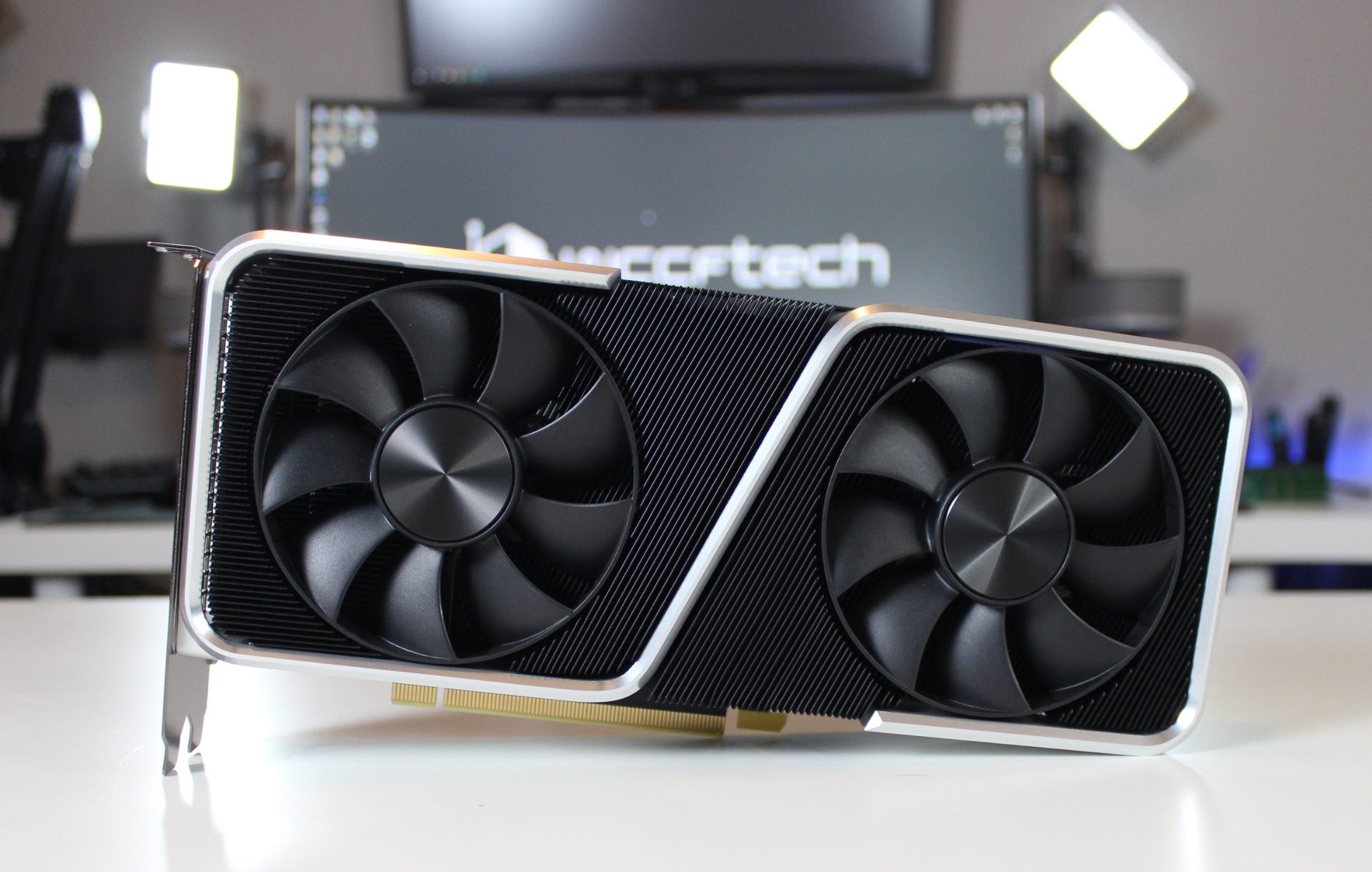
Thanks to the increasing VRAM and component prices, vendors are now encouraging distributors to explore alternative products, such as the GeForce RTX 3060 12 GB, which was recently revived to tackle the demand, as well as the 8 GB variant, alongside slower cards like RTX 3050 and similar Radeon GPUs.

The RTX 3060 is still one of the most popular budget GPUs and operates in millions of rigs. The GPU is now the most popular according to the Steam Hardware Survey of October 2026, which clearly shows that gamers are adopting the older-gen despite the incredibly high prices of current-gen RTX 50 cards. The RTX 3060 12 GB delivers 3,584 CUDA cores and a 192-bit memory bus that is suitable for gaming at both 1080p and 1440p.

That said, the rising component prices and higher demand won't likely spare even older GPUs, as the report suggests a stable or upward pricing trend in the coming months.

News Source: Weixin

About the author: Sarfraz Khan is a hardware reporter with a focus on PC components and the builder community. With years of experience writing about PC hardware and laptops, his work has been featured on several reputable technology publications. Sarfraz's hands-on experience is demonstrated through his first-person accounts of using and comparing different hardware configurations, providing practical and relatable insights for everyday users. His technical analysis is respected by peers in the enthusiast community and has been cited by specialized hardware sites such as Germany's Igor's Lab.

Follow Wccftech on Google to get more of our news coverage in your feeds.

07Windows 11 Can Now Reinstall Itself From The Cloud Even When The OS Fails To Boot - Wccftech
Read on wccftech.com

FI-2.jpg


Microsoft's new Cloud Rebuild feature can reinstall Windows 11 and its drivers without a bootable USB drive, although it comes with some important limitations.

Microsoft has introduced Cloud Rebuild, a new Windows 11 recovery feature that allows users to reinstall the operating system directly from the cloud, even when their PC fails to boot into Windows. The feature downloads a fresh Windows installation alongside the necessary device drivers, eliminating the need for bootable USB installation media or custom recovery images.

The feature was announced as part of Microsoft's October 28, 2026, KB5127936 cumulative update for Windows 11 versions 25H2 and 26H2. Currently available through an optional non-security preview update, Cloud Rebuild is being introduced gradually, meaning it may not immediately appear on all compatible systems.

Although Windows 11 already offers a cloud download option through Reset this PC, the new Cloud Rebuild feature goes a step further. According to Microsoft's official documentation, it downloads both the target Windows image and the device's drivers through Windows Update, without depending on the integrity of the existing operating system installation. This makes it particularly useful when conventional recovery methods fail.

Users can initiate Cloud Rebuild through Settings > System > Recovery > Rebuild PC. Alternatively, if Windows cannot start, they can access it directly through the Windows Recovery Environment (WinRE), which can automatically launch following repeated unsuccessful boot attempts.

Once initiated, the feature establishes an internet connection through Ethernet or Wi-Fi, contacts Windows Update, and prepares the required installation files. Users can then review the target Windows build, edition, and language before confirming the reinstall.

Microsoft provides two options for handling existing data:

  • Remove files: Reformats the system disk and reinstalls Windows, although deleted files may remain recoverable using specialized tools.
  • Remove & sanitize files: Uses supported storage hardware's erase capabilities to sanitize the selected disks before reinstalling Windows. Users with multiple drives can choose to sanitize only the Windows disk or all disks.

More importantly, Cloud Rebuild does not offer an option to preserve locally stored personal files, applications, accounts, or settings, unlike Reset this PC. Microsoft also warns that hardware-assisted sanitization is irreversible and that its effectiveness depends on the storage device properly supporting the operation. Files already stored in cloud services such as OneDrive remain unaffected.

The feature also benefits enterprise environments. IT administrators can remotely initiate and configure Cloud Rebuild through Microsoft's Recovery Configuration Service Provider (CSP), including specifying the Windows build to install. Devices managed through Windows Autopilot and Microsoft Intune can subsequently reconnect to their organization's management infrastructure, automatically restoring assigned applications and policies.

There are, however, some prerequisites. Cloud Rebuild requires a functioning Windows Recovery Environment, compatible network drivers, an internet connection, and hardware that meets Windows 11's minimum requirements. Consequently, it cannot replace conventional USB installation media in every possible recovery scenario.

Microsoft has also improved WinRE's networking capabilities, allowing it to automatically reuse eligible saved Wi-Fi profiles, making internet-dependent recovery procedures more convenient.

Overall, Cloud Rebuild is a welcome addition to Windows 11's recovery options, particularly for users dealing with severely corrupted installations who would otherwise need another computer to prepare installation media. However, its destructive nature means users should still consider less drastic recovery options whenever possible.

News Sources: Microsoft (1), Microsoft (2)

About the author: Sebastian Castellanos is a data scientist by education and training. He's also deeply passionate about PC gaming hardware and software. He has recently started writing technical articles and guides on Wccftech about PC hardware, games and mods.

Follow Wccftech on Google to get more of our news coverage in your feeds.

08TSMC’s 1-nanometer Manufacturing Site Likely Tipped By Taiwan’s Minister In Discussion That Included Robots - Wccftech
Read on wccftech.com

TSMC-2nm-technology.jpg


Plans for the Taiwan Semiconductor Manufacturing Company's (TSMC) 1-nanometer manufacturing site might have been shared by Taiwan's minister for the National Science and Technology Council, Cheng-Wen Wu. At the IEEE Asia Solid State Circuits Conference, Wu shared details about plans for a next-generation chip manufacturing plant at the Tainan Science and Technology Park in Taiwan.

The minister's remarks centered on the need for cooperation when it came to land, water and other resources for semiconductor fabrication as TSMC enters 2-nanometer mass production and progresses to more advanced technologies.

Taiwan's Science Minister Hints At TSMC's 1-nanometer Manufacturing Site & Discusses Robotics Supply Chain

TSMC's next-generation manufacturing technology process, the A14 or 1.4-nanometer node, is officially slated for volume production in 2028, according to the firm's official statements. Yet, rumors from the supply chain have speculated that mass production might either be accelerated to October 2027 or TSMC might start risk production in H2 2027.

Risk production is among the earlier phases of chip production, which sees manufacturers test out their equipment to root out potential problems before progressing to the volume-heavy stages.

Yet, while the firm is busy developing factories for the 1.4-nanometer technology, statements from Taiwan's science minister suggest that it might also be in the process of selecting the site for advanced 1-nanometer chips.

Speaking at the IEEE conference, the minister remarked that the Taiwan government was planning to develop a new park within the Tainan Science Park ecosystem that would cover 1-nanometer manufacturing process technologies. While the minister did not explicitly mention TSMC, given that no other Taiwanese firm manufactures chips with the leading-edge technologies, his remarks refer to TSMC in all likelihood.

The development process is expected to start in 2027, said Wu, who added that since 2-nanometer technologies are in mass production, technologies such as 1-nanometer would require supply chain and resource allocations in addition to technological breakthroughs.

The minister's discussion also focused on high-growth technology areas such as optical communications and robotics. He remarked that the robotics industry would enable metal, plastic and other materials companies to contribute to high value-added industries. He also stressed that optical communications had to advance in order to cover more applications other than server racks.

While it might be formalizing site plans for the 1-nanometer process, TSMC is also making advances in producing more advanced chips. The firm, along with the National Yang Ming Chiao Tung University (NYCU), recently made a key breakthrough in surface engineering for transistor fabrication to enable sub-1-nanometer chip manufacturing technologies.

About the author: Ramish is a seasoned technology writer and editor with more than a decade of experience. He specializes in semiconductor fabrication and market analysis. With a background in finance and supply chain management - via his bachelor's in Finance and a micromasters in supply chain management from MIT - Ramish can cover deep industry insight to deliver accurate and authoritative coverage.

Follow Wccftech on Google to get more of our news coverage in your feeds.

09NVIDIA GeForce RTX 5080 24 GB May Miss January 2027 Launch As Board Partners Still Await Design Kits - Wccftech
Read on wccftech.com

FI-1.jpg


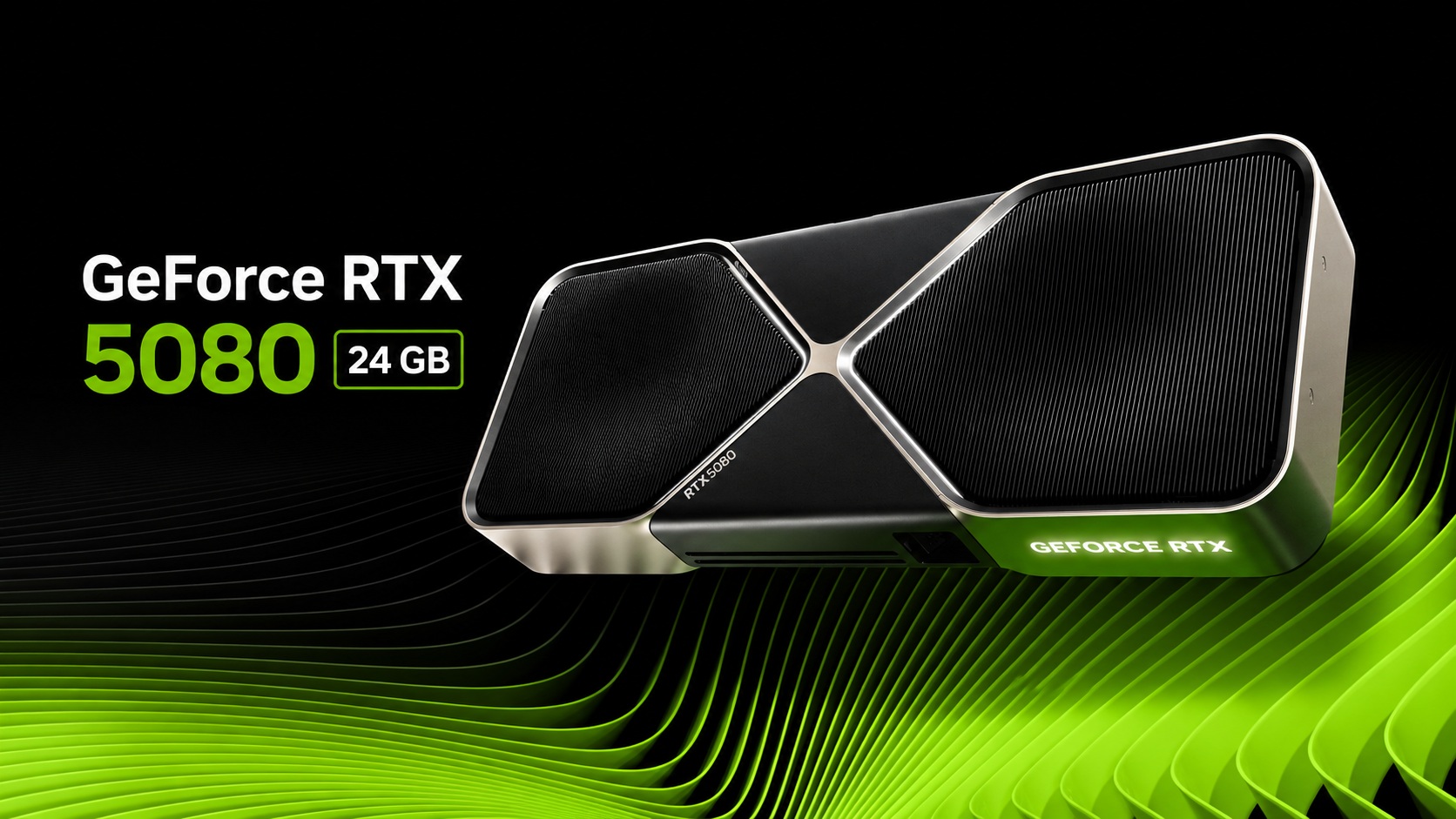
NVIDIA's rumored GeForce RTX 5080 24 GB could miss its previously anticipated January 2027 launch window, as the company reportedly has yet to provide its add-in-card (AIC) partners with the necessary design kits to begin developing the new graphics card.

NVIDIA's GeForce RTX 5080 24 GB May Not Arrive In January 2027, With Board Partners Still Waiting For Development Documentation

According to a new report from Taiwanese publication Benchlife, NVIDIA originally intended to distribute the design documentation for the GeForce RTX 5080 24 GB to its AIC partners in October 2026. However, the necessary materials had reportedly still not been delivered by the end of the month, casting doubt on the graphics card's rumored January 2027 release.

The report comes just days after Chinese distribution channel sources suggested that NVIDIA was accelerating the launch of its upcoming 24 GB graphics card, potentially bringing it to market as early as December 2026 or January 2027. Earlier information had instead pointed to a broader Q1 2027 release window.

Benchlife's latest findings suggest that such an accelerated schedule may be difficult to achieve. Without the necessary design kits, board partners cannot finalize their custom graphics card designs or complete the testing and validation processes required before mass production. The publication also highlights current PCB procurement difficulties and component shortages as additional obstacles.

As VideoCardz points out, one board partner previously indicated that bringing a new graphics card to market requires at least six weeks after receiving the relevant design information. Given the present supply constraints, however, even that timeframe could prove optimistic.

Nevertheless, NVIDIA could still formally announce the GeForce RTX 5080 24 GB during CES 2027, scheduled for January 6–9, before making it available several weeks later. Benchlife does not provide a revised launch date, and a release later in Q1 2027 remains possible.

The rumored graphics card is expected to replace the existing GeForce RTX 5080 16 GB, offering a 50% increase in GDDR7 memory capacity. As previously reported by Wccftech, the additional VRAM could be achieved through eight higher-density 3 GB GDDR7 memory modules while retaining the existing 256-bit memory interface.

Whether the new graphics card will also feature the higher clock speeds, memory bandwidth, and power consumption previously associated with the rumored RTX 5080 SUPER remains unknown.

Meanwhile, the uncertainty comes amid worsening availability and pricing for NVIDIA's high-end Blackwell graphics cards. Our recent investigation found that RTX 5080 models were already selling for considerably more than their original $999 MSRP, with numerous listings exceeding $2,000.

With NVIDIA reportedly preparing to replace the existing 16 GB model and the 24 GB variant potentially arriving later than initially anticipated, availability could remain constrained in the coming months.

For now, NVIDIA has yet to officially announce the GeForce RTX 5080 24 GB, meaning its specifications, pricing, and launch schedule remain unconfirmed.

News Source: Benchlife, via VideoCardz

About the author: Sebastian Castellanos is a data scientist by education and training. He's also deeply passionate about PC gaming hardware and software. He has recently started writing technical articles and guides on Wccftech about PC hardware, games and mods.

Follow Wccftech on Google to get more of our news coverage in your feeds.

10PlayStation Is Engaging in a “Firmware War” Against Jailbreakers, as Rockstar Games’ Grand Theft Auto VI Minimum Firmware Requirement Has Reportedly Changed - Wccftech
Read on wccftech.com

PlayStation-5-Firmware-War-GTA-6-Requirement-1920x1080.jpg


Over the past few weeks, the hacking scene for current-generation gaming systems has made significant strides thanks to the advancement of AI models. While console jailbreaking is normally a significant issue that console manufacturers try to resolve as quickly as possible, Sony has an additional reason to act as quickly as possible, as it cannot afford to leave any hole unpatched on PlayStation 5 due to the release of Rockstar Games' Grand Theft Auto VI.

A month after the 14.10.00 PlayStation 5 system software update, the 14.22.00.00 update has gone live today. This minor update introduces some “security fixes to the system software,” so there's little doubt that this update is the new move in the firmware war Sony engaged with jailbreakers.

What makes the release of this new PlayStation 5 system software update more interesting is how it is reportedly strictly related to Grand Theft Auto VI's launch on November 19. According to PlayStation Game Size, which tracks updates on the PlayStation Network database, the next entry in the Rockstar Games' series will now require firmware 14.22.00 instead of 14.10.00, which is unprecedented.

However, extreme situations call for extreme measures. With Grand Theft Auto VI set to sell the most on PlayStation 5, Sony cannot allow any opening to piracy, as in the age of AI, even the smallest software vulnerability could have big consequences. And piracy could be only one of the consequences, as the game could be emulated and even recompiled into a native PC port before its official release, which would be disastrous for both Sony and Rockstar Games.

As jailbreakers and hackers will hardly stand down just because Sony is releasing multiple PlayStation 5 firmware updates in rapid succession, I expect this confrontation to continue even past November 19, when Grand Theft Auto VI releases. Hopefully, things are not taken to an extreme that would lead to real consequences for paying customers.

About the author: Francesco De Meo has been covering video games and technology since 2012, starting his career at small outlets like Gamersyndrome and GeekSnack. After joining Wccftech gaming section in 2015, he quickly expanded his video gaming coverage with in-depth reporting, interviews with iconic industry figures such as Grasshopper Manufacture founder and No More Heroes creator Goichi "Suda51" Suda, Resident Evil series creator Shinji Mikami, Team NINJA's president and Nioh series director Fumihiko Yasuda, and Silent Hill creator Keiichiro Toyama, reviews and on-the-ground coverage of major industry events such as Gamescom and E3. When he's not reporting or reviewing, Francesco can be found playing the genres he loves most, spending time with his six cats, reading, writing music, playing guitar and drumming for his progressive rock band.

Follow Wccftech on Google to get more of our news coverage in your feeds.

11October 2026 Steam Hardware Survey: 16 GB RAM Reclaims Top Spot, Intel Gains CPU Share, Linux Approaches 4% - Wccftech
Read on wccftech.com

FI.jpg


Valve's October 2026 Steam Hardware Survey is now available, revealing some noteworthy changes across CPUs, system memory, graphics cards, display resolutions, operating systems, and VR headsets. Several hardware categories have also reversed the unusual fluctuations observed in September.

One of the biggest developments concerns system memory. According to Valve's official survey, 16 GB RAM has reclaimed its position as the most popular configuration, accounting for 41.42% of participating systems, an increase of 3.60 percentage points. Meanwhile, 32 GB configurations dropped by 5.16 points to 37.06%, after briefly overtaking 16 GB in September.

The CPU landscape has also shifted slightly in Intel's favor. Among Windows users, Intel now accounts for 53.48% of surveyed processors, gaining 0.89 percentage points, while AMD slipped to 46.51%. Nevertheless, AMD remains considerably more competitive than it was several years ago, when Intel enjoyed a much larger lead.

Regarding CPU core counts, eight-core processors continue to lead with 28.68%, followed closely by six-core models at 27.29%. Combined, these two configurations represent nearly 56% of surveyed systems, highlighting their position as the mainstream choices for PC gaming.

Here's a summary of the most popular hardware and software configurations in October:

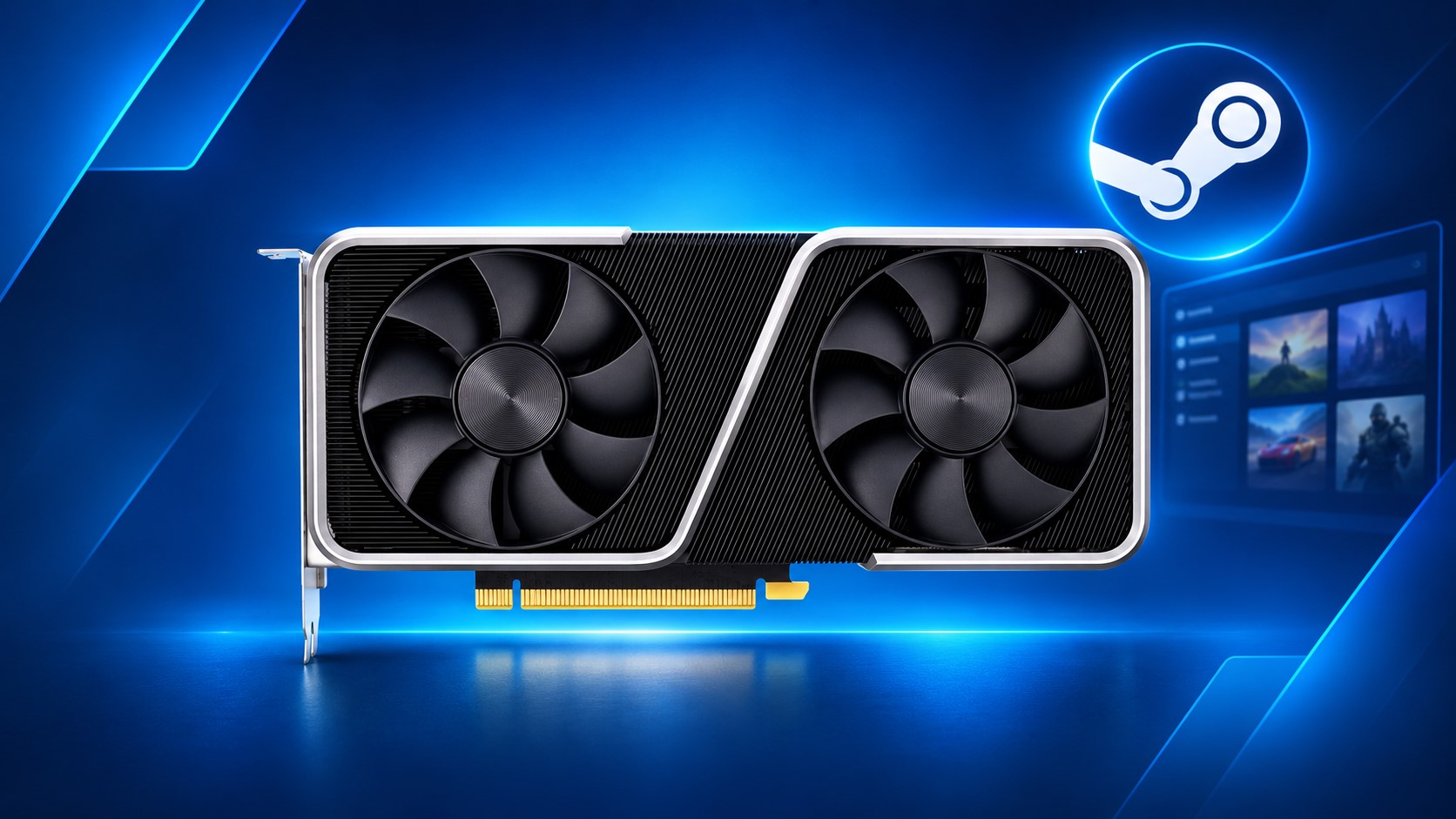
On the graphics side, NVIDIA's GeForce RTX 3060 narrowly reclaimed the top spot from the RTX 5070 in the combined-platform statistics. Meanwhile, 8 GB remains the most common VRAM capacity at 26.92%, marginally ahead of 16 GB at 26.35%, with 12 GB accounting for another 12.91%.

As for display resolutions, 1080p remains dominant at 50.23%, followed by 1440p at 21.82% and 4K at just 5.05%. Interestingly, 1440p experienced a substantial 5.22-percentage-point decline, while 1080p gained 2.32 points.

Windows continues dominating the operating system landscape with a 93.70% overall share. Windows 11 increased to 72.51%, while Windows 10 declined to 21.11%. Linux, meanwhile, climbed to 3.95%, with macOS accounting for the remaining 2.35%.

The VR headset category also saw an interesting development. Meta Quest 3 retained its first-place position at 27.27%, while Valve's recently released Steam Frame climbed to 4.13% of surveyed VR headsets, an increase of 3.72 percentage points.

It's worth highlighting that Simplified Chinese-language participation dropped by 9.41 percentage points to 21.98%, while English increased to 39.04%. This substantial change in survey composition likely contributed to several of October's hardware fluctuations.

As always, Valve's monthly survey is voluntary and anonymous, meaning its results provide a useful snapshot of Steam's participating users rather than a definitive representation of the entire PC gaming market.

News Source: October 2026 Steam Hardware & Software Survey

About the author: Sebastian Castellanos is a data scientist by education and training. He's also deeply passionate about PC gaming hardware and software. He has recently started writing technical articles and guides on Wccftech about PC hardware, games and mods.

Follow Wccftech on Google to get more of our news coverage in your feeds.

12NVIDIA RTX 3060 Takes Back Number One Spot From RTX 5070 While 32 GB System RAM Took A Massive Hit According To The Latest Steam Hardware Survey - Wccftech
Read on wccftech.com

RTX-3060-Steam.jpg


The RTX 5070 has been dethroned after it climbed to the top position last month in Steam charts.

October Steam Hardware Survey Stats Reveal RTX 3060 is Back at the Top and 16 GB RAM Configuration is Getting More Popular

Steam Hardware Survey September 2026 shocked everyone as we saw the RTX 50 series gaining a significant increase in popularity. The GeForce RTX 5070 suddenly became the top choice, with a whopping 6.15% share, while some 60-class cards from the lineup surpassed a 4% share. We reported that there was a sudden jump in Chinese-language users, which affected the survey, but now, with the latest data, everything seems stable.

The GeForce RTX 3060 has now claimed its top position after gaining a decent +0.12% share last month. The RTX 3060 and RTX 4060 cards have been fighting each other to retain the top position for months, but it looks like RTX 3060 might not stay at the top position for long. If you check the current share for the RTX 3060 and RTX 5070, they are identical at 3.78%. So, next month, we could probably see RTX 5070 as the most popular GPU according to Steam.

However, the RTX 5060-series cards have been pushed down to around a 2.7- 3.15% share. The massive jump in share they witnessed last month wasn't supposed to keep their share above 4% anyway, but the RTX 5070 might reach 4% in the coming months, per the trend. However, with soaring prices and limited availability, the market has been shaken, and the RTX 5070's price reaching over $800 could really affect its sales.

There are two more interesting changes we noticed in October's survey. The most popular System RAM configuration is gaining popularity. The 16 GB configuration is gaining ground, increasing its market share by +3.60%, while the 32 GB configuration suffered a significant -5.16% decline. This is clear, as we see OEMs and vendors push lower-capacity RAM configurations in PCs, while DIY builders also struggle to find enough capacity for their systems.

The second big change is 8 GB VRAM capacity getting back to the top position as the 16 GB configuration dropped by -0.86% last month. Both are fairly close to each other, but 16 GB GPUs becoming extremely expensive is definitely one of the major factors affecting the shares.

News Source: Steam

About the author: Sarfraz Khan is a hardware reporter with a focus on PC components and the builder community. With years of experience writing about PC hardware and laptops, his work has been featured on several reputable technology publications. Sarfraz's hands-on experience is demonstrated through his first-person accounts of using and comparing different hardware configurations, providing practical and relatable insights for everyday users. His technical analysis is respected by peers in the enthusiast community and has been cited by specialized hardware sites such as Germany's Igor's Lab.

Follow Wccftech on Google to get more of our news coverage in your feeds.

13Elon Musk’s SpaceX Is In Talks To Buy EchoStar’s Boost Mobile, A Way Around The MVNO Wall Built By AT&T, T-Mobile, And Verizon, Even Amid A Threat Of Litigation - Wccftech
Read on wccftech.com

SpaceX-Boost-Mobile-1-1920x1920.jpg


Elon Musk appears to have found a way to break through the MVNO-led firewall erected by AT&T, T-Mobile, and Verizon against SpaceX, albeit with a high likelihood of prolonged litigation.

Even if Boost Mobile's existing MVNO agreements do not port over to SpaceX, EchoStar's bespoke wireless service does bring plenty of bells and whistles to the proverbial table, which should help Starlink Mobile expand its reach across the US.

SpaceX and EchoStar already have a long and deep-seated relationship, which only increases the odds of an acquisition agreement for Boost Mobile

When regulators approved T-Mobile's acquisition of Sprint, they expected Dish Network to become the fourth carrier in the US. However, those hopes were dashed when Dish's parent, EchoStar, sold its spectrum assets to AT&T and SpaceX back in 2025.

Now, Elon Musk and SpaceX appear intent on substantially deepening their ties with EchoStar in a bid to assert greater control over the US telecom industry. Consider that the Washington Post has just published a tantalizing new report, detailing that SpaceX is currently in talks with EchoStar to either acquire its Boost Mobile subsidiary or leverage its access to the networks of T-Mobile and AT&T via some other arrangement.

While Boost Mobile does retain MVNO agreements with T-Mobile and AT&T, it is extremely unlikely that the two carriers would allow those agreements to port over to SpaceX, especially as wholesale network lease agreements are typically non-transferable to a new buyer during a corporate acquisition, which sets the stage for potential litigation.

Of course, Boost Mobile brings plenty of other assets to the table as well. After all, it has around 7 million subscribers as well as a cloud-native 5G core software stack.

Do note that SpaceX's terrestrial spectrum mainly consists of around 15 MHz of unpaired nationwide Advanced Wireless Services-3 or AWS-3 spectrum band, around 40 MHz of nationwide AWS-4 spectrum, around 10 MHz of nationwide H-Block spectrum, and around 14 megahertz of paired spectrum in the 800 MHz band.

Even so, this terrestrial spectrum is not sufficient to allow SpaceX to start its own mobile service in urban areas, which means its most attractive option still centers on entering into an MVNO with one of the so-called Big Three telecom players - AT&T, T-Mobile, or Verizon.

However, sensing a direct threat from SpaceX's rapidly expanding cellular ambitions, all three carriers have refused to enter into an MVNO arrangement, forcing SpaceX to rely on its space-based 2 GHz of mid-band spectrum to serve as the backbone for a cellular network in the US, while its new 14 megahertz of spectrum in the 800 MHz band ensures that Starlink Mobile signals are able to penetrate buildings.

Concurrently, SpaceX is trying to lease at least 80,000 different cell tower sites across the US, presumably setting aside $75,000 for each such site or $6 billion in total, and has received an approval from the FCC to launch as many as 15,000 V2 (Gen2) satellites that can connect directly to smartphones. It is also exploring small, low-power femtocell-type cellular base stations on existing Starlink dishes to avoid the massive upfront CapEx required for building cell towers and acquiring the appropriate spectrum.

It was only last week, however, that T-Mobile's CEO, Srini Gopalan, dismissed the specter of a threat from SpaceX, going on to declare that "in many ways, except for some deep rural parts, satellite is an inferior version of FWA with even more constraints in terms of things like what is the size of the beam, right? So I don’t see the synergy there between FWA and satellite."

Of course, it remains to be seen how SpaceX's eventual acquisition of EchoStar would change the prevailing paradigm. At any rate, Elon Musk appears to have opted for a 'death by a thousand cuts' strategy, nibbling here and there to continuously erode the leverage enjoyed by the so-called 'Big Three' carriers.

About the author: Rohail Saleem reports on the business of AI and semiconductors for Wccftech: the chips, data centers and compute deals behind companies such as NVIDIA, AMD, TSMC, OpenAI and Anthropic, and what those deals mean for the hardware people buy. He has written more than 2200 articles for Wccftech since 2019, often reading earnings reports, supply-chain data and analyst notes to explain where the money and the hardware are going. He holds a commerce degree from the University of Toronto's Rotman Commerce program.

Follow Wccftech on Google to get more of our news coverage in your feeds.

14Square Enix’s Final Fantasy VII Revelation Moves Summons Out of Chadley’s VR, Yet Anchoring Story “Revelations” To World Exploration Steals The Show - Wccftech
Read on wccftech.com

Final-Fantasy-VII-Revelations-Summons-Out-of-VR-1920x1080.jpg


Square Enix went open-world with Final Fantasy VII Rebirth, but many did not particularly appreciate the checklist-heavy design of the game's world, feeling it diluted the experience without offering anything truly substantial. Naoki Hamaguchi and his team seem to have listened to players' feedback, as world exploration seems to have been tied to some of the game's story revelations to deliver a more organic experience that avoids exposition-heavy story sequences that are typical in JRPGs.

A New Approach To World Design

"When Cloud looks at himself and re-examines who he is, many of the story’s revelations will be expressed through the gameplay experience and performance experience that players receive," Hamaguchi-san told One More Game during gamescom Asia x Thailand Game Show 2026. Instead of relying on exposition-heavy cutscenes, the team "structured the game so that many lingering mysteries from previous entries are answered through gameplay progression." Lingering questions in the trilogy will finally get their answers, but only through direct interaction with the world.

As Final Fantasy VII Revelation's world will be much bigger than Rebirth's, Hamaguchi-san and his team cleverly implemented the Highwind airship to provide a means to travel quickly from one point to another. However, the team considers this feature not something that diminishes the world's scale, but a quality-of-life improvement. “The world is very wide, and there are lots of spaces,” he said. “And as a game, I wouldn’t be happy if a player wants to go to a destination that takes lots of time. If players want to go somewhere, I don’t want it to take too much time or become difficult to reach. That would create stress, and that’s not good as a game.” As such, the Highwind will take players to their destination, but it won't replace world interaction needed to experience more of the story.

While not relying on exposition-heavy sequences would already be a good reason to get more excited about Final Fantasy VII Revelation, as these sorts of sequences don't make for good storytelling (as the ending of Hideo Kojima's Metal Gear Solid 4: Guns of the Patriots painfully showed years ago), tying story to exploration and making it meaningful even with the Highwind is definitely the way to go to address the most common criticism raised at Final Fantasy VII Rebirth's open-world design. Hopefully, the excessive guidance shown in the gamescom demo that many did not like will be toned down, as the recent footage of the Midgar's Fissure exploration suggests.

One more element that is going to make Final Fantasy VII Revelation's world more fun to explore is the summons' return to the world. "Hamaguchi revealed that Final Fantasy VII Revelation moves much closer to the spirit of the original game," One More Game confirms. "Players will encounter summon-related content directly in the world and collect materials tied to those summons through exploration rather than solely through simulations." And the Knights of the Round summon will be related to the "original story for Gilgamesh" in Final Fantasy VII Rebirth, so its related questline should be expected to span the entire game.

The FITS System Isn't a Substitute For Aerith

Besides confirming the above information on Final Fantasy VII Revelation's world design, Hamaguchi-san also touched upon the biggest combat addition of the third entry in the series: the FITS system. As I couldn't fail to notice during Gamescom, the Black Mage FITS seems to be Aerith's substitute, but according to the series' director, this isn't the case.

"Hamaguchi rejected the idea that these changes were made simply because Aerith may not be playable. Instead, he said the adjustments stemmed from lessons learned from Rebirth’s combat design," reports One More Game. "We wanted to continue using systems that players embraced in Rebirth," Hamaguchi-san said, emphasizing that the creation of the FITS system is based on the combat system evolution rather than "assumptions about Aerith's role in the story." Who, everything considered, has a very high chance of being playable once again, although in an unknown capacity.

Although the game is getting closer to release, I have to admit that the wait for Final Fantasy VII Revelation is becoming harder, as every new bit of information is painting an even better picture than I expected. As such, I have come to a point where I almost dread any new reveal, as it would only make the wait for April 8, 2027 even harder.

About the author: Francesco De Meo has been covering video games and technology since 2012, starting his career at small outlets like Gamersyndrome and GeekSnack. After joining Wccftech gaming section in 2015, he quickly expanded his video gaming coverage with in-depth reporting, interviews with iconic industry figures such as Grasshopper Manufacture founder and No More Heroes creator Goichi "Suda51" Suda, Resident Evil series creator Shinji Mikami, Team NINJA's president and Nioh series director Fumihiko Yasuda, and Silent Hill creator Keiichiro Toyama, reviews and on-the-ground coverage of major industry events such as Gamescom and E3. When he's not reporting or reviewing, Francesco can be found playing the genres he loves most, spending time with his six cats, reading, writing music, playing guitar and drumming for his progressive rock band.

Follow Wccftech on Google to get more of our news coverage in your feeds.

15AMD Plans RDNA 5+ GPU Architecture For 2029, An Optimized Follow-Up To RDNA 5 That Could Debut Inside Zen 7 “Grimlock” APUs - Wccftech
Read on wccftech.com

AMD-RDNA-5.jpg


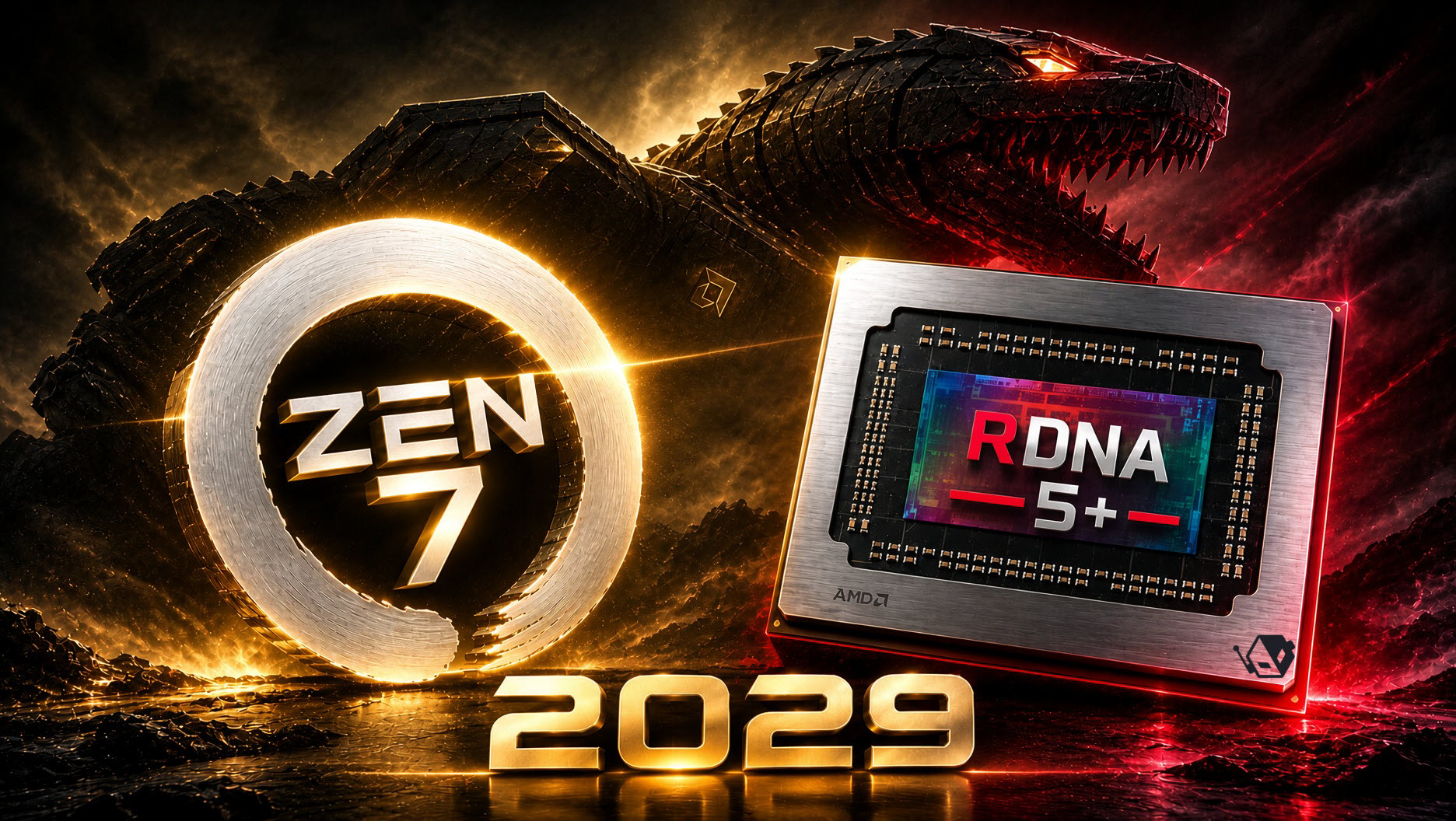
AMD is reportedly going to offer an enhanced version of its RDNA 5 GPU architecture, called RDNA 5+, in 2029, with the launch aligning with next-gen Zen 7 chips.

AMD's RDNA 5+ GPU Aims A 2029 Release, Could Be Limited To Next-Gen Zen 7 "Grimlock" APUs

New information on a future RDNA GPU architecture has been disclosed by Kepler_L2 at NeoGAF Forums. According to the information, AMD plans to release an updated version of its upcoming RDNA 5 architecture, which itself will be released by 2027-2028.

The new architecture will be called RDNA 5+ and will be the second optimized variant we've seen in the RDNA generation. The RDNA 3.5 architecture was the first one that, instead of delivering a full-fledged architecture built from the ground up, optimized the existing RDNA 3 architecture. It looks like RDNA 5+ will be a similar architectural overhaul.

Now, an interesting thing that is pointed out by Kepler is that RDNA 5+ arrives in 2029 with AMD's next-generation Grimlock CPUs. We know from our previous coverage that Grimlock is the code name for AMD's future Ryzen CPUs based on the Zen 7 architecture. A specific Zen 7 family is not mentioned, but it is likely that APUs are being referred to here.

AMD's upcoming Medusa APUs will feature a mix of RDNA 3.5, RDNA 4m, and RDNA 5 graphics architectures. These chips will also house the newer Zen 6 cores. With Grimlock, AMD will fuse Zen 7 cores on its APU series and update the graphics architecture to newer versions such as the RDNA 5+ generation.

The other, but less likely, possibility is that AMD will use RDNA 5+ for its discrete family. The next-generation Radeon Graphics Card lineup arrives with RDNA 5 architecture, and a follow-up could be refreshed on the RDNA 5+ generation. Now the AMD RDNA 5 generation of Radeon discrete GPUs has been pushed back, now expected between late 2027 and early 2028 due to global DRAM shortages, so a 2029 release for a discrete GPU family based on a new RDNA architecture seems very unlikely.

With that said, AMD's Grimlock CPUs are expected to be the first to feature TSMC's A14 process technology and the new FOPLP packaging solution. These chips will offer another big upgrade to the Ryzen platform when they arrive in 2028 on desktops first, so PC audiences can expect some big performance bumps.

About the author: A Software Engineer by training and a PC enthusiast by passion, Hassan Mujtaba serves as Wccftech's Senior Editor for hardware section. With years of experience in the industry, he specializes in deep-dive technical analysis of next-generation CPU and GPU architectures, motherboards, and cooling solutions. His work involves not only breaking news on upcoming technologies but also extensive hands-on reviews and benchmarking.

Follow Wccftech on Google to get more of our news coverage in your feeds.

16AI Memory Boom Puts South Korea $70 Billion Away From $1 Trillion In Exports; Chips Now Make Up 49% Of Shipments While Small Businesses Struggle - Wccftech
Read on wccftech.com

Samsung-DRAM.jpg


South Korea is about to cross a trade milestone that only three countries have reached, and the AI boom in memory chips is doing most of the work. Figures released by the Ministry of Trade, Industry and Energy on November 1 show October exports totaled $115.28 billion, up 93.7 percent from a year earlier and the second-highest month on record behind September’s $121.1 billion.

That brings the January-to-October total to $930 billion, leaving just $70 billion to reach $1 trillion. For reference, it took South Korea 31 years to go from $100 billion in 1995 to $1 trillion, compared with 13 years for China, 30 for Germany, and 31 for the U.S. However, on the other side of the spectrum, small and medium-sized businesses aren’t experiencing the same growth. If anything, they are suffering

South Korea’s trade minister believes the $1 trillion milestone will be achieved in November, but at the expense of other enterprises

Unsurprisingly, The JoongAng reports that chips were driving the growth for South Korea’s exports, reaching $56.44 billion in October, resulting in a 259.4 percent jump. With data centers’ ravenous demand for memory, companies are paying immense premiums to manufacturers like Samsung for its HBM technology, as the latter can provide timely shipments. Based on the aforementioned numbers, chips accounted for 49 percent of all exports, potentially pushing South Korea up in the world rankings.

Unfortunately, it appears that it’s only the AI boom that’s helping to prop up South Korea in front of the world because most small and medium-sized businesses are not feeling any of these perks. In fact, the report states that many entities are struggling as sales get worse. Retail sales are down 0.5 percent in the third quarter from a year earlier, marking the first decline in five quarters and the largest since early last year.

Jobs and domestic demand are also showing little sign of recovery, with Yonsei University professor emeritus Kim Jung-sik stating that chipmaking needs a lot of technology and money but has limited links to other industries, so it cannot revive the wider economy on its own. He also argues that South Korea must build up new industries to create jobs while also reviving domestic demand.

In short, the AI memory boom has certainly turned South Korea's fortunes around, but that doesn’t mean the entire country is on the same trajectory. After peeling back the onion layers, we are exposed to the deeper truth, and it’s not a pretty picture.

About the author: Omar Sohail is a reporter and analyst for Wccftech's mobile section, specializing in the technology and business of the mobile industry. His expertise lies in the intricate hardware supply chain, covering developments in semiconductor manufacturing, chip lithography, and camera sensor technology.

Follow Wccftech on Google to get more of our news coverage in your feeds.

17Nagoshi Studio Is Officially Dissolved as of October 31, Ending Ma Dong-seok’s Gang of Dragon Before It Ever Got Close to Shipping - Wccftech
Read on wccftech.com

Gang-of-Dragon-Key-Art-HD-1920x1081.jpeg


The proverbial writing has been on the wall for some time, but it's now official: Nagoshi Studio has been shut down for good. The game development studio based in Shinjuku, Tokyo, was dissolved by a shareholders' resolution on October 31, as reported in the Japanese government's Kanpo Gazette.

The studio was established in November 2021, following the departure of its titular founder, Toshihiro Nagoshi, from SEGA earlier that year. However, the studio was unveiled only in January 2022, when we learned that the developer had been created with funding from NetEase.

Nagoshi Studio's debut game, Gang of Dragon, was presented at The Game Awards 2025. Clearly inspired by Nagoshi's previous work on the Yakuza series, it featured renowned actor Ma Dong-seok, who played Shin Ji-seong, a high-ranking member of a Korean crime syndicate based in Kabukicho, the iconic nightlife district of Shinjuku.

In the narrative, Shin would have become entangled in underworld conflicts and forged intense human connections that would push him to confront his own sense of purpose. Combat would have focused on Shin's overwhelming physical power. Players would have engaged enemies through brutal hand-to-hand strikes, precise blade attacks, gunplay, and high-impact vehicle action across the city.

However, NetEase eventually cut funding to most of the studios it had helped raise, such as:

Roughly the same thing happened to Nagoshi Studio. Back in late April, the YouTube channel and the Gang of Dragon's debut trailers were taken offline, a huge hint of the studio's closure. For some reason, though, the Steam page is still up.

About the author: With over two decades of experience in gaming journalism, Alessio Palumbo has led the gaming vertical at Wccftech since August 2015. He started working at a young age for Italian websites like Everyeye.it, Gamestar.it, Nextgame.it, and Multiplayer.it before kickstarting the indie English-language publication Worlds Factory as its founder and Editor in Chief. In the last decade, he has coordinated the overall output of Wccftech's gaming section, managed PR relations, assigned reviews, produced daily news coverage, edited gaming content as needed, and delivered game reviews. Arguably, his trademark content is the long series of exclusive developer interviews that have been cited by Wikipedia and by the biggest news media and gaming publications. His passion for technology also makes him knowledgeable when it comes to gaming hardware and tech. His favorite genres include RPGs, MMORPGs, and action/adventure games.

Follow Wccftech on Google to get more of our news coverage in your feeds.
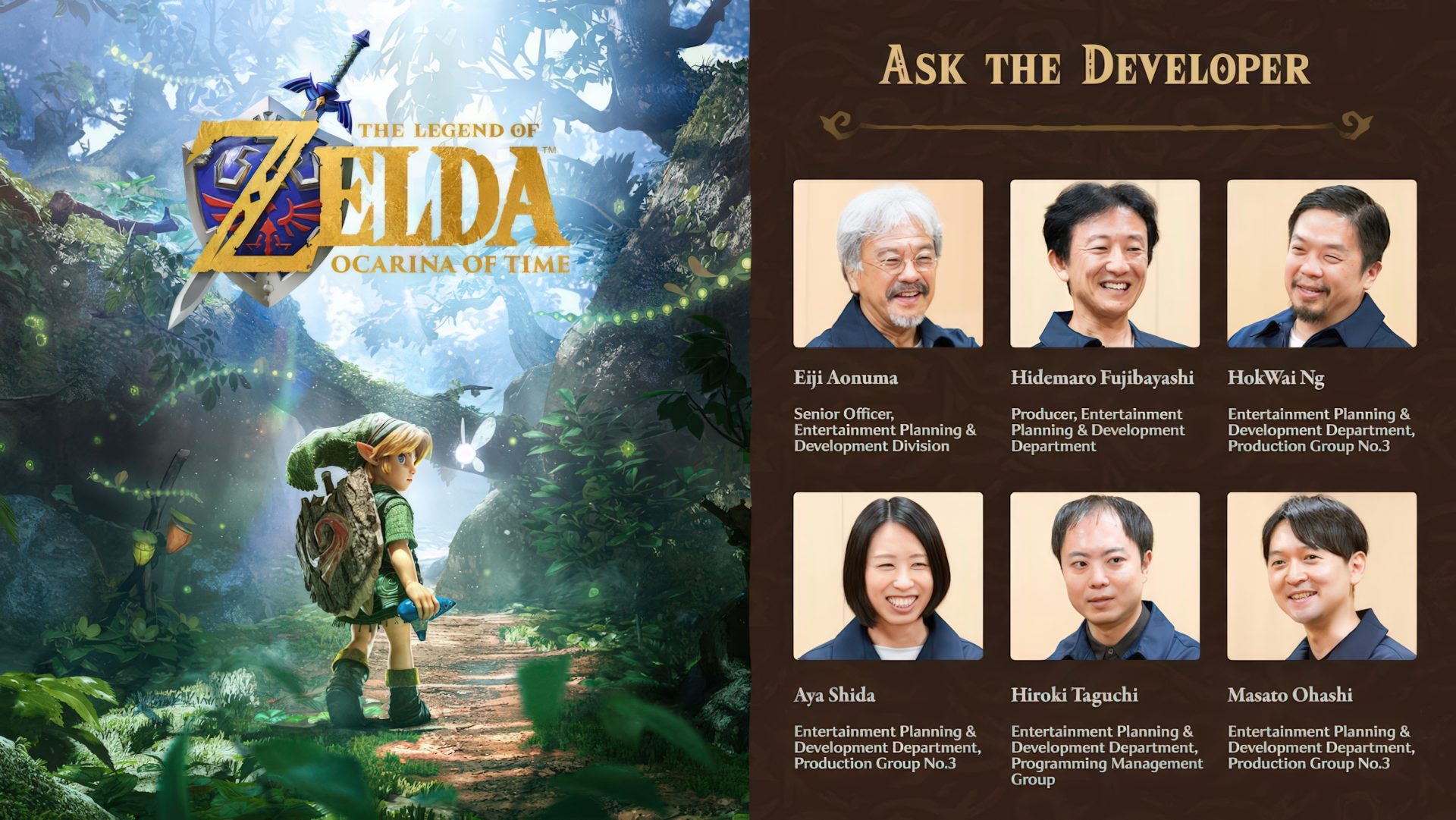
18NVIDIA DLSS 5 In Mario Kart World Shows A Glimpse Of The Future, As Nintendo Switch 2 Emulated Game Looks Almost Like An Animated Movie - Wccftech
Read on wccftech.com

Mario-Kart-World-NVIDIA-DLSS-5-1920x1078.jpg


A little over a year after its release, the Nintendo Switch 2 was jailbroken last month, opening the floodgates not only for homebrew on the system, but also to game dumping, which, in turn, opened the way for Nintendo Switch 2 emulation on PC. Running games on PC at higher resolution, however, is never enough in the PC gaming space, and a rather interesting look at what could be the future of Nintendo games has arrived thanks to emulation and NVIDIA DLSS 5 Neural Rendering.

In a new video shared online a few hours ago, ChillyWillMD showed Mario Kart World running on PC with NVIDIA DLSS 5 neural rendering. While seeing the game run at 60 FPS on PC only a few days after Nintendo Switch 2 emulation became a thing on an NVIDIA GeForce RTX 5060 Ti would be impressive enough (although emulation relies more on CPU horsepower, which the Intel Core i9-13900K provides in spades), it's how Neural Rendering handles the game's visuals that makes the showcase truly impressive.

Although there's a lot of room for improvement, as Nintendo's weird aversion to anti-aliasing delivers some jagged visuals, especially in character models, and light from the kart's headlights looks very noisy, there's no denying that the lighting changes that NVIDIA DLSS 5 brings make the game look almost as if the gameplay belonged to a sequence from one of the Super Mario movies, and not from a Nintendo Switch 2 launch game. So far, we haven't seen too many examples of NVIDIA DLSS 5 neural rendering working well on games with stylized visuals, so Mario Kart World stands as a great example of what could be achieved in the future.

Compared to other emulated games running with NVIDIA DLSS 5 neural rendering, Mario Kart World stands as a more realistic glimpse into the future for a very simple reason. The Nintendo Switch systems are the only modern gaming consoles powered by NVIDIA, and with the Nintendo Switch 2 being the only system supporting a lightweight version of NVIDIA DLSS Super Resolution, it stands to reason that a potential third system in the Nintendo Switch family could support the remaining NVIDIA DLSS technology, such as Frame Generation and Neural Rendering. While Nintendo seems a little averse to taking advantage of NVIDIA's tech, allowing third-party developers to use it would further set the future system apart from the competition.

About the author: Francesco De Meo has been covering video games and technology since 2012, starting his career at small outlets like Gamersyndrome and GeekSnack. After joining Wccftech gaming section in 2015, he quickly expanded his video gaming coverage with in-depth reporting, interviews with iconic industry figures such as Grasshopper Manufacture founder and No More Heroes creator Goichi "Suda51" Suda, Resident Evil series creator Shinji Mikami, Team NINJA's president and Nioh series director Fumihiko Yasuda, and Silent Hill creator Keiichiro Toyama, reviews and on-the-ground coverage of major industry events such as Gamescom and E3. When he's not reporting or reviewing, Francesco can be found playing the genres he loves most, spending time with his six cats, reading, writing music, playing guitar and drumming for his progressive rock band.

Follow Wccftech on Google to get more of our news coverage in your feeds.
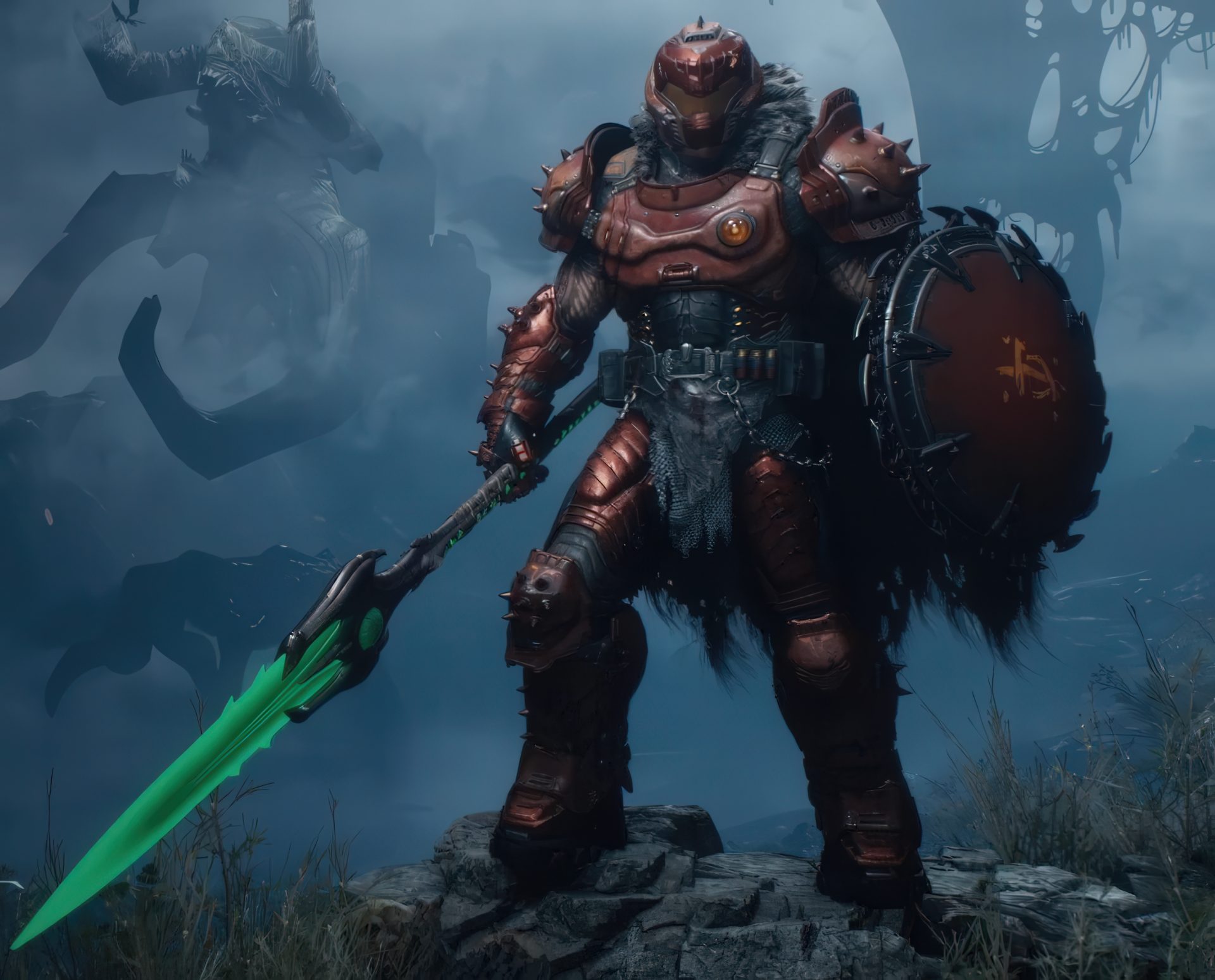
19Elon Musk Rumored To Soften Stance On TSMC For Terafab After Calling It A Subcontractor At Best, With Operational Control And Joint Investment On The Table - Wccftech
Read on wccftech.com

Elon-Musk-1920x1303.jpg


After initially outlining that TSMC could at best be a subcontractor for his Terafab chip manufacturing project, Elon Musk has reportedly softened his stance, according to a report from the Taiwanese publication DigiTimes. The report follows remarks by TSMC's CEO, C.C. Wei, during the firm's latest earnings call that the firm was in discussions with Musk and would have to run the plants for any deal to work.

Latests Musk-TSMC Talks For Terafab Include Operational Control & Joint Investment, Says Report

The scale of Musk's plans for the Terafab project, which envisions delivering more than a terawatt of computing capacity, has also led the rumor mill to be rife with details. For instance, a report in October claimed that Musk was interested in initially buying chip plants from Intel, TSMC and Micron before deciding to build his factories.

His decision to build the chip manufacturing factories has been followed by humility, as Musk admitted early last month that he still had a lot to learn about making chips. The executive also added that he was surprised by the lack of customization when it came to chip manufacturing machines.

However, with one of the biggest controversies of the Terafab project being Musk's partnership with TSMC, Taiwanese publication DigiTimes claims to have fresh details. In a report, it outlines that Musk is aiming to renegotiate with TSMC. The details suggest that factors such as operational control and joint investment are on the table. Additionally, with the chip packaging sector also experiencing tightness due to demand from AI chips, the discussions also include advanced packaging.

The bit about packaging comes after an earlier report from Korea suggested that NVIDIA and Tesla were helping Samsung build facilities to manfuacture substrates for chip packaging. While TSMC's CoWoS packaging is the go-to choice for AI GPUs, other options, such as Intel's EMIB-T are also reportedly piquing interest from chip designers.

Along with building Terafab, Musk is also gearing up to bring more than a million GPUs online as part of his data center complexes. Over the weekend, he shared plans for his Colossus 2 project and outlined that supercomputing halls called Macroharder, Minihard and Gun Range would feature roughly 220,000 of NVIDIA's advanced Blackwell AI GPUs, respectively. The Colossus project is part of SpaceX's aim to target a market that the firm and Musk believe is worth trillions of dollars, including space-based AI compute.

About the author: Ramish is a seasoned technology writer and editor with more than a decade of experience. He specializes in semiconductor fabrication and market analysis. With a background in finance and supply chain management - via his bachelor's in Finance and a micromasters in supply chain management from MIT - Ramish can cover deep industry insight to deliver accurate and authoritative coverage.

Follow Wccftech on Google to get more of our news coverage in your feeds.
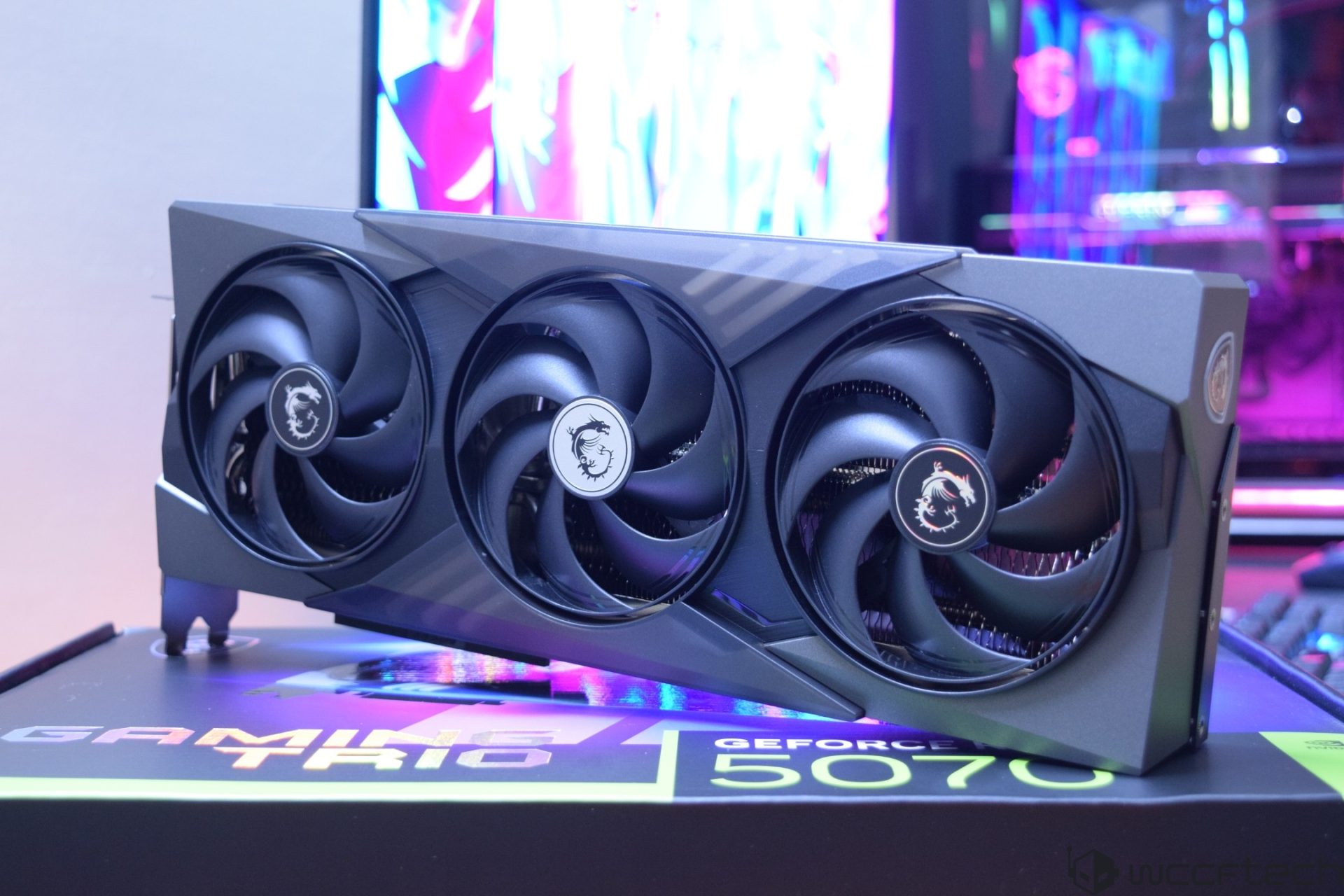
20Intel’s Regression: Accuracy Of Its Guidance Falters, As 18A Capacity Gets Cannibalized To Feed The Older Intel 3 Process - Wccftech
Read on wccftech.com

Intel-Core-Ultra-5-250K-Plus-Core-Ultra-225F-featured.jpg


Intel's CFO, David Zinsner, messed up big time, and his company paid for it through its nose, with an excruciating ~30 percent stock price drop on Friday.

Zinsner's 'mea culpa' appears all the more egregious when you compare the cheery nonchalance with which he delivered the guidance for Q3 2026 with the actual results that Intel announced on Thursday.

This situation hints at a severe internal disconnect, one that now threatens to undermine the reliability of Intel's projections altogether.

Intel's CFO predicted that the Client Computing and Physical AI Group "would be kind of flattish" in Q3, only to record a 9% sequential miss

Zinsner severely miscalculated the memory-led dislocations in the market back in July 2026, noting at the time:

"I'd say as we look into next quarter [Q3], probably on a revenue basis, it's going to be kind of flattish for us. Overall, CCPG [Client Computing and Physical AI Group] is likely to be up a bit, but I think it will be driven by good growth on the edge and client will be flattish ..."

Of course, as we know by now, Intel's CCPG ended up recording a ~9 percent sequential decline, from $8.9 billion in Q2 2026 to $8.1 billion in Q3 2026. Whichever way you cut it, this was not a "flattish" print.

For Q4, Zinsner had only noted back in July that the CCPG would start experiencing some softness. However, Intel announced last week that it now expects PC-related revenue to fall over 20 percent on a quarter-over-quarter basis in Q4, spurred by memory- and substrate-related dislocations.

These are major deviations and can threaten the overall reliability of Intel's projections, especially if such a gaffe is repeated any time soon.

Of course, in what is a rare bit of good news, Intel now sees its server CPU TAM increasing by around 5x to $400 billion. However, it is unlikely to fully capitalize on the biggest-ever CPU bull run, at least in the near term, as it continues to contend with substrate bottlenecks.

Also, Intel is now redirecting some of the 18A production lines at its Oregon fab to Intel 3 to supply Xeon 6 (Granite Rapids). While explaining the rationale behind this move, Zinsner explicitly stated that the relevant 18A wafers were originally slated for Panther Lake, but the weak PC demand provided room for the switch, with the new Intel 3 capacity expected to come online in the second half of 2027.

This comes at a time when TSMC is moving in the opposite direction, converting some of its 5nm capacity to 3nm lines to meet the oncoming demand.

Moreover, as we noted in a dedicated post recently, Intel plans to fill the hole in its portfolio for high-end desktops with the Nova Lake CPUs, which will launch in multiple phases, with the single compute tile (up to 28-core SKUs) launching first, followed by dual compute tile models in the latter part of 2027 (up to 52-core SKUs). These chips will feature a new BFC cache solution to tackle AMD's Ryzen X3D chips.

About the author: Rohail Saleem reports on the business of AI and semiconductors for Wccftech: the chips, data centers and compute deals behind companies such as NVIDIA, AMD, TSMC, OpenAI and Anthropic, and what those deals mean for the hardware people buy. He has written more than 2200 articles for Wccftech since 2019, often reading earnings reports, supply-chain data and analyst notes to explain where the money and the hardware are going. He holds a commerce degree from the University of Toronto's Rotman Commerce program.

Follow Wccftech on Google to get more of our news coverage in your feeds.